

Dynnyrne is a small, quiet pocket of Hobart tucked on the hillside between South Hobart and Sandy Bay, on ground rising toward Waterworks Valley. It’s easy to drive past without realising it’s a distinct suburb — but for the roofs sitting on its elevated, view-oriented blocks, that hillside position matters. Dynnyrne was carved out of Sandy Bay as its own suburb in 1941, and much of its housing stock reflects a long build-up through the mid-20th century, with character weatherboard and brick cottages sitting alongside more contemporary homes that have taken advantage of the suburb’s elevated aspect and Derwent views.
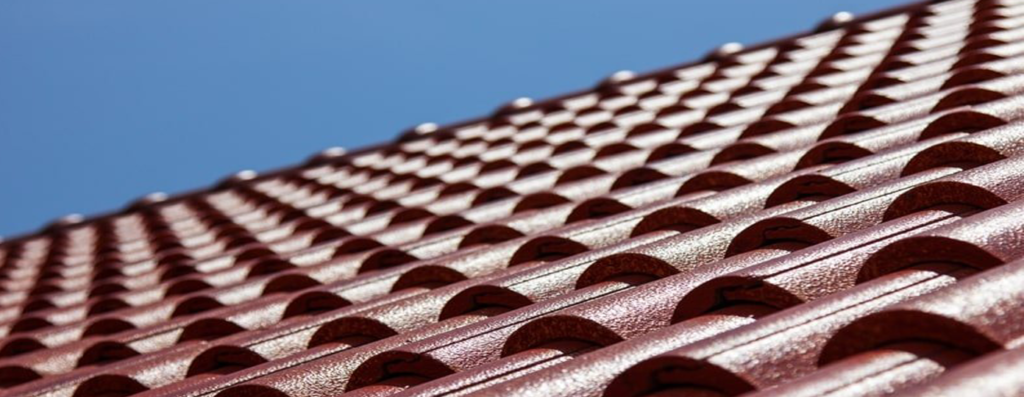
The older weatherboard and brick cottages generally carry corrugated iron or, in some cases, terracotta tile, dating from the suburb’s early-to-mid 20th century development. Newer builds — and there are a fair number, given how sought-after Dynnyrne’s elevated blocks have become — more often use colorbond roofing, frequently with more complex roof lines designed to maximise the view and natural light the hillside position offers.
Dynnyrne’s elevated blocks catch more wind than the sheltered flats of neighbouring Sandy Bay, and homes on the steeper streets running up toward Waterworks Valley deal with stormwater coming off the roof with more force than a flat-block property would. Tree cover from the nearby valley bushland also means gutters on Dynnyrne’s leafier streets fill with debris faster than average, and moss growth is more common on shaded, south-facing roof sections — worth a gutter guard on properties closest to the valley bushland.
On steeper Dynnyrne blocks, a downpipe that overflows at a joint rather than at the top of the gutter usually means the pipe itself is under-sized or partially blocked for the volume of water coming off the roof — worth checking before assuming the gutter is the problem. On newer architect-designed homes with multiple roof pitches, the junctions where two roof planes meet are the most likely spot for a flashing failure to start, so if a roof leak appears after a run of wet weather rather than during a single storm, that’s often where to look first.
We carry out roof repairs and restorations on Dynnyrne’s older weatherboard and brick cottages, cleaning and resealing tile and iron roofing that’s structurally sound but showing wear from decades on an exposed hillside block. For newer builds, we install and repair Colorbond and Zincalume roofing, including the more complex multi-pitch and skillion roof forms common on the suburb’s contemporary homes.
Leak detection is a regular part of the work here — with more architecturally varied roof lines than a standard suburban street, tracing a leak back to its actual source takes a careful, methodical approach rather than a quick surface check. We also handle ridge capping restoration, ongoing gutter maintenance advice given the tree cover, and emergency repairs after storm events, which the elevated position makes Dynnyrne somewhat more prone to than lower, more sheltered suburbs.
Roof geometry is the main variable on Dynnyrne jobs — a simple original weatherboard cottage roof is quicker and cheaper to repair than a contemporary multi-pitch build designed around the view, which has more flashing junctions and generally a steeper, more complex fixing job. Access on the steeper streets can also add setup time compared with a flatter block. We’ll walk you through exactly which of these applies to your property before finalising a quote.
An autumn check is worthwhile on most Dynnyrne properties, particularly those closest to the Waterworks Valley bushland edge, where gutters fill faster than on more open streets. For newer homes with multiple roof pitches, it’s worth having flashing at each junction checked every couple of years rather than waiting for a leak to show, since these points wear faster on a complex roofline than on a simple gable roof.
“We’re renovating and adding a second storey — do we need to think about the roof differently?” Yes, in a suburb like Dynnyrne where the aspect and view matter as much as the floor plan, we’d rather be involved early to make sure roof pitch, flashing points and drainage are planned for the finished design, not retrofitted after the fact.
Dynnyrne doesn’t have its own commercial strip — residents borrow from South Hobart and Sandy Bay on either side — but its quiet, sloping streets and mix of character and contemporary homes make it one of the more distinctive small suburbs we service. We cover both neighbouring suburbs directly, along with Mount Nelson a little further south, so if your street straddles a suburb boundary it’s not an issue for us.
If your roof needs attention, call (03) 6251 3545 for a free quote.
If you’re looking for roofing services near Dynnyrne, we also service:
Suburbs: Battery Point, West Hobart, North Hobart, South Hobart, Glebe, Mount Stuart and Sandy Bay
We are proud to serve Hobart and surrounding areas with reliable, top-quality roofing services. Whether you’re a homeowner upgrading your roof, a developer working on a new build, or a business manager planning a large-scale roofing project—we’re ready to help.
Locally owned and trusted across Southern Tasmania, our roofing and exterior specialists are here to help you replace or repair your roof quickly, safely, and to the highest standards.