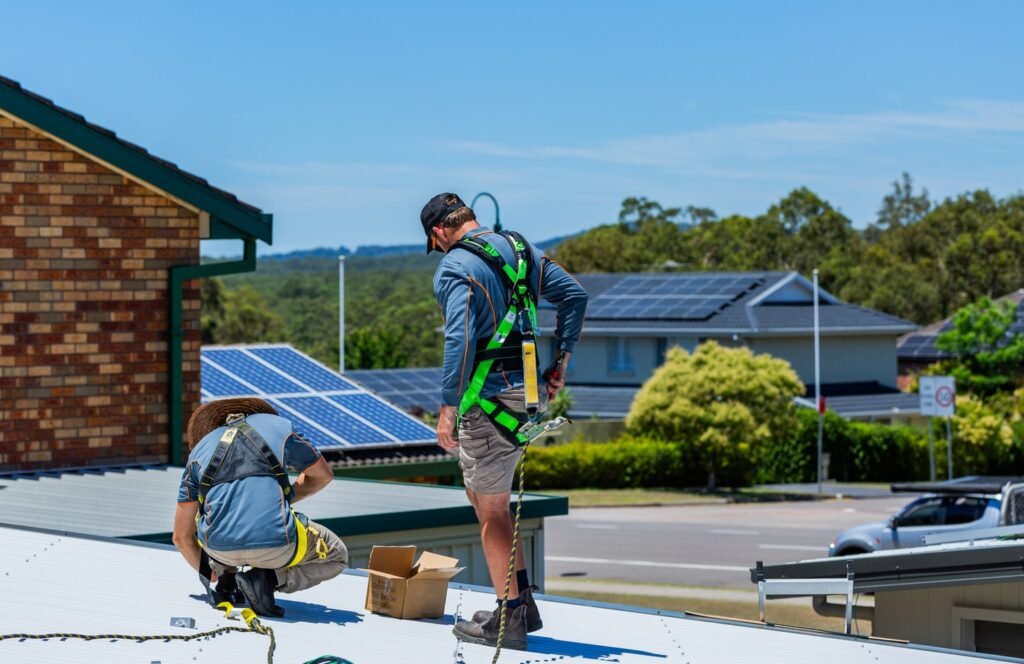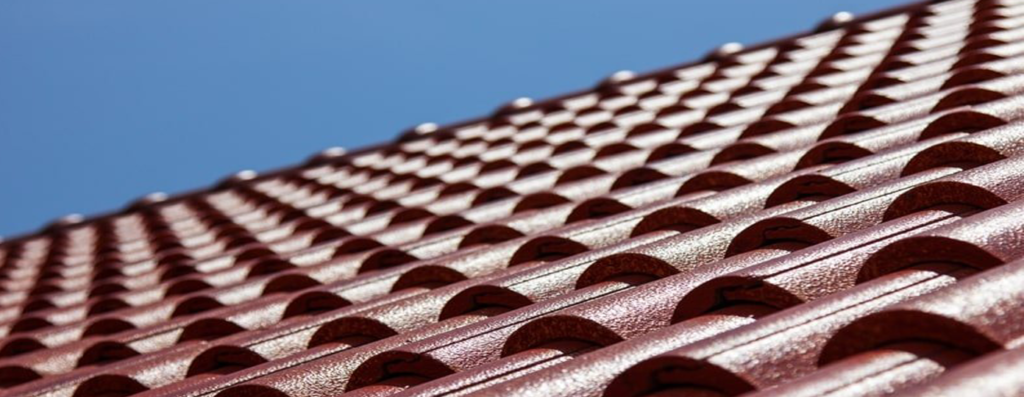


Sandy Bay is one of Hobart’s most established and sought-after suburbs, home to a wide mix of heritage cottages, grand older homes on the slopes of Mount Nelson, and premium waterfront properties along the Derwent. Many of the suburb’s character homes date back to the early-to-mid 1900s, with original tile and corrugated iron roofing that has weathered decades of coastal exposure — which makes Sandy Bay one of the few Hobart suburbs where genuine heritage roof restoration and full-scale coastal roofing expertise both matter on the same street, sometimes on the same block.
Properties closer to the water — including those near Long Beach, Nutgrove Beach and Sandy Bay Road — face persistent salt-air corrosion, while homes higher on the Mount Nelson slopes deal with strong UV exposure and wind-driven rain. Original terracotta and concrete tile is common on the suburb’s earlier housing, alongside iron roofing that in many cases is well overdue for restoration or replacement, and newer builds and renovations lean toward colorbond roofing, chosen for their durability against the coastal conditions.
Ridge capping on Sandy Bay’s period homes needs annual inspection — older mortar bedding common through the suburb deteriorates faster under coastal salt exposure than it would inland. Gutters need clearing each autumn, particularly on the tree-lined streets near Sandy Bay Road and Regent Street, and metal roofing benefits from recoating every 10 to 15 years to stay ahead of corrosion. Flashing checks before winter matter more here than in sheltered suburbs, since Sandy Bay’s exposed, elevated properties see stronger wind-driven rain than more sheltered inner-city streets.
On waterfront-adjacent homes, salt residue building up as a chalky film on ridge capping and flashing is one of the earliest visible signs that bedding and sealant are due for attention, well before a roof leak actually appears. On elevated Mount Nelson-facing blocks, listen for changes in how the roof sounds during wind — a new rattle or hum often means a fixing has started to work loose. And on heritage-adjacent tile roofs, a scattering of fine terracotta grit in the gutter after a windy night usually indicates surface weathering has reached the point where individual tiles are starting to break down, not just get dirty.
We install Colorbond steel roofing — including Trimdek, Klip-Lok and Corrugated profiles — engineered to handle coastal conditions while suiting Sandy Bay’s varied architecture, from heritage-adjacent streetscapes to premium modern builds. Where an older tile or iron roof is beyond repair, we deliver full replacements matched to the character of the property and the standard expected in one of Hobart’s most established suburbs. For roofs that are structurally sound but showing their age, heritage roof restoration — cleaning, repairing, repointing and resealing — extends the roof’s life by years while preserving the period character that gives Sandy Bay homes their value.
Ridge capping restoration protects the roof’s highest, most exposed junctions from coastal salt breakdown, and our leak repair work traces water to its real source, often higher up the roof than the ceiling stain suggests. We also handle roof painting for heritage-adjacent properties where a full replacement isn’t the right call, using coatings that resist UV, salt air and moss growth.
Property type and position are the two biggest cost variables in Sandy Bay — a heritage-adjacent cottage requiring matched materials and careful restoration is priced differently to a premium waterfront home needing full coastal-grade specification, and both differ again from a straightforward mid-century home a few streets back from the water. Roof age also matters: many original tile and iron roofs here are now 80 to 100 years old and due for their first genuine restoration cycle rather than a simple patch repair. We break all of this down clearly at quote stage so you understand exactly what you’re paying for and why, whether the job is a small leak repair or a full heritage restoration.
“We’re close to the university — does student rental turnover change how we should maintain the roof?” Not directly, but rental properties often go longer between owner-noticed issues, so we’d recommend a slightly more proactive inspection schedule than an owner-occupied home, particularly before each new lease period. “Is restoration realistic for a genuinely old Sandy Bay tile roof, or are we better off replacing?” In most cases restoration is realistic and often preferable, provided the roof structure underneath is sound — full replacement tends to make sense only once tiles are failing broadly rather than in isolated patches, or when a genuine style change is wanted.
Sandy Bay takes its name from the sandy beaches along its Derwent shoreline, and today it’s home to the University of Tasmania’s Hobart campus, Wrest Point and some of the city’s most established private schools — a suburb where property presentation genuinely matters. We understand the balance between practical, weatherproof roofing and the aesthetic standards Sandy Bay homeowners expect. We also cover the neighbouring suburbs of Dynnyrne, Mount Nelson and Taroona, and the heritage precinct of Battery Point a short drive along the waterfront.
Whether you need an emergency repair, a full restoration, or advice on your next roofing project, call (03) 6251 3545 for a free, no-obligation quote.
If you’re looking for roofing services near Sandy Bay, we also service:
Suburbs: Battery Point, West Hobart, North Hobart, South Hobart, Glebe, Dynnyrne, and Mount Stuart
We are proud to serve Hobart and surrounding areas with reliable, top-quality roofing services. Whether you’re a homeowner upgrading your roof, a developer working on a new build, or a business manager planning a large-scale roofing project—we’re ready to help.
Locally owned and trusted across Southern Tasmania, our roofing and exterior specialists are here to help you replace or repair your roof quickly, safely, and to the highest standards.