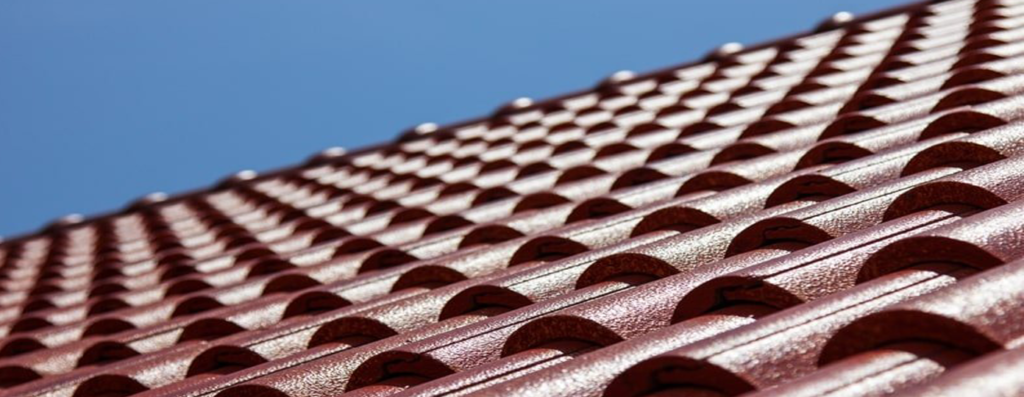



A roof leak in Hobart rarely shows up directly above where the water actually enters — it often travels along battens or sarking before appearing as a ceiling stain metres away from the real problem. We trace leaks to their actual source, whether that’s a cracked tile, failed ridge capping, or damaged flashing, and fix it there rather than just patching where the damage is visible.

Satisfied customers
Water follows the path of least resistance once it’s under the roof surface, not a straight line down. A stain in a bedroom ceiling might trace back to a chimney flashing failure two metres up-slope, or a valley gutter blockage on the opposite side of the roof from where the ceiling damage appears.
Patching directly above a ceiling stain without finding the real entry point is one of the most common reasons a “fixed” leak reappears after the next heavy rain.

Know what to look for before leaks and water damage start.
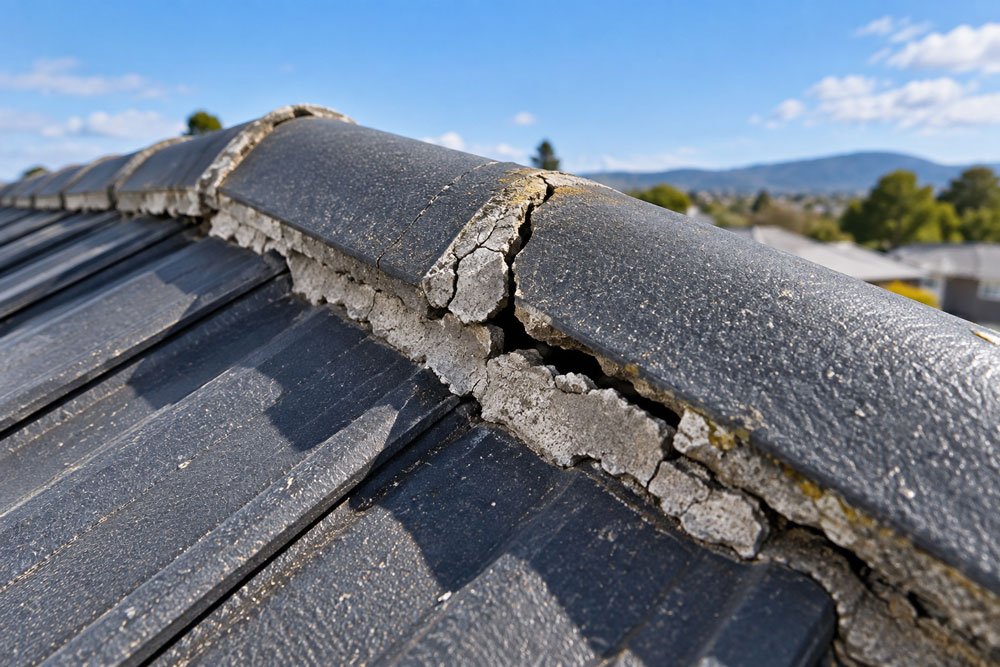
Cracked mortar bedding is one of the most frequent hidden leak sources, since it can
let water in for months before symptoms show indoors.
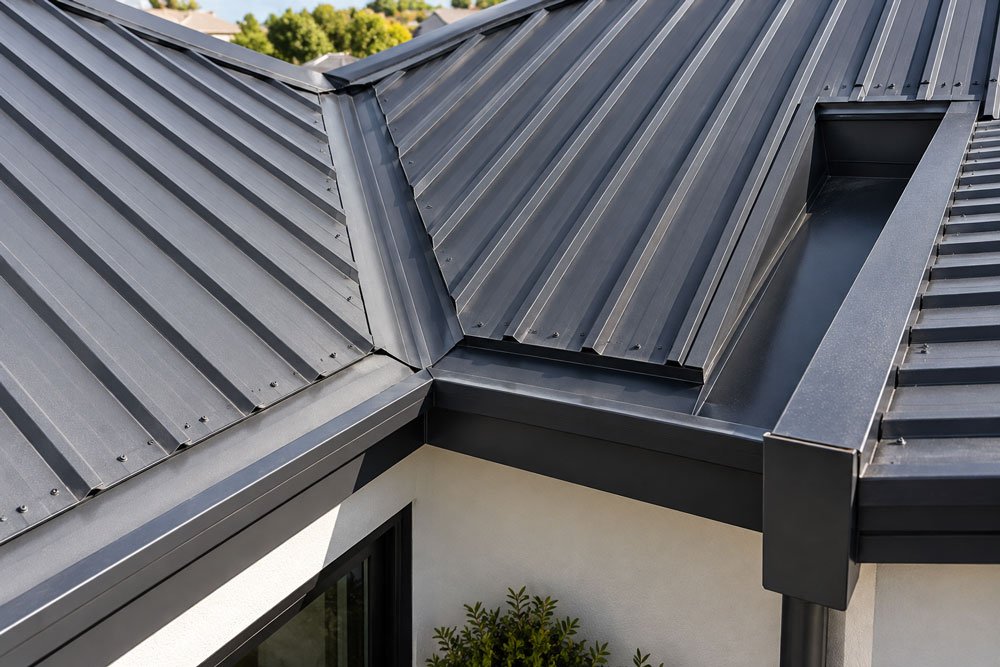
Especially on inner-Hobart properties with shared roof lines between adjoining homes, where debris builds up faster than on open eave gutters.
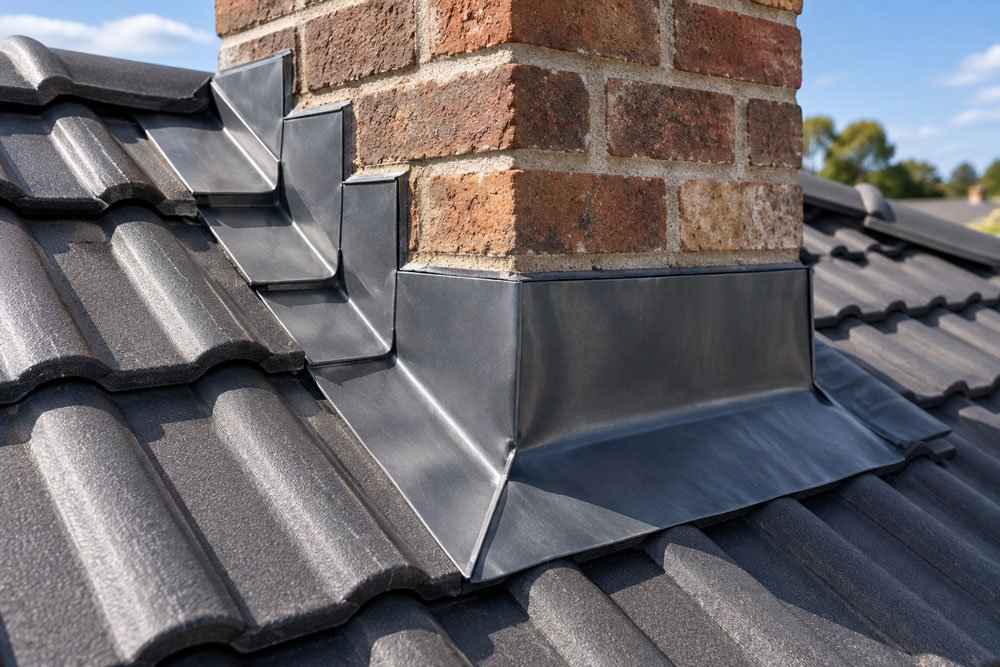
Common on the city’s older housing stock, including decorative chimneys that still
have a full flashing seal even if the fireplace isn’t in use.
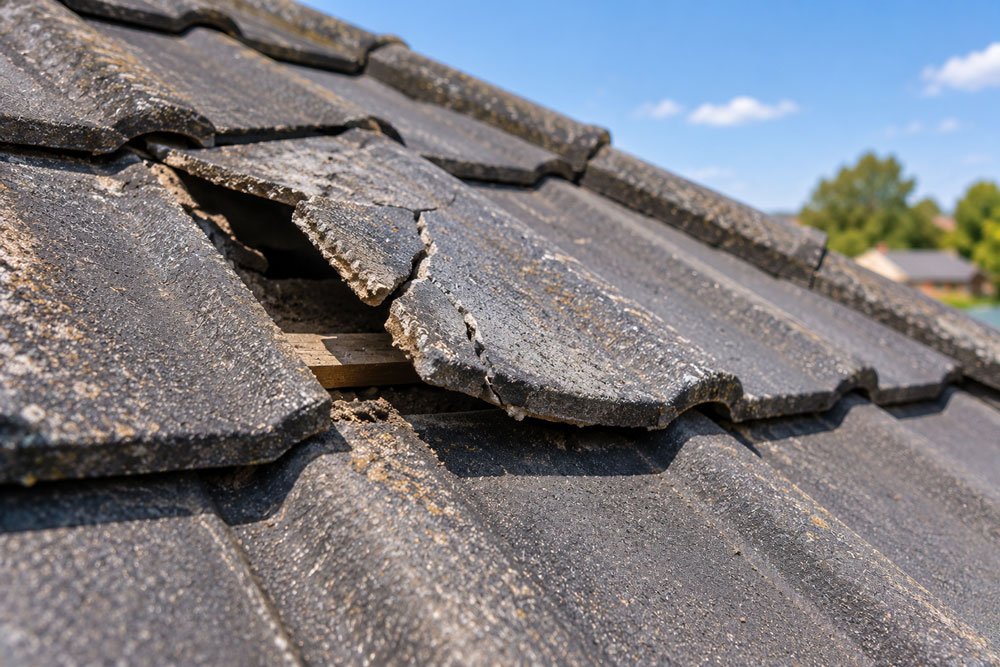
Often on tile roofs affected by mature tree debris or previous foot traffic during other maintenance work.
A professional step-by-step approach for a roof that’s built to last.
Starting from the visible damage and working upslope, checking ridge lines, valleys, flashing, and tile condition to find the actual entry point.
Where the source isn’t immediately obvious, we test with water to confirm
before committing to a repair, rather than guessing.
The actual entry point is fixed, whether that’s repointing, flashing replacement, or
tile repair.
We flag any signs of ongoing damage (rotting battens, damp insulation) that
may need separate attention.
Roof leaks can be caused by damaged shingles, cracked flashing, clogged gutters, poor installation, or general wear and tear over time.
Signs of a roof leak include water stains on ceilings or walls, mold growth, dripping water, musty odors, or missing/damaged shingles.
Yes! Even a minor leak can lead to mold growth, wood rot, and structural damage if not repaired quickly.
Most small leaks can be fixed in a few hours, while more extensive damage may take longer.
Costs vary based on the extent of the damage, but timely repairs are always more affordable than major roof replacements.
Don’t wait on a slow leak — mould and structural damage compound the longer water sits. Call (03) 6251 3545 for fast leak detection and repair.