

Mount Nelson rises steeply above Sandy Bay to the Truganini Reserve and the historic Nelson Signal Station, and it’s one of the most exposed residential positions in greater Hobart — homes here look out over the entire lower Derwent estuary, but that panorama comes with real wind loading that few other suburbs experience to the same degree. It’s a mix of older homes built through the mid-20th century and newer architect-designed houses purpose-built to capture the view, many on steep, terraced blocks, and it’s genuinely one of the more demanding coastal roofing environments we work in around Hobart.
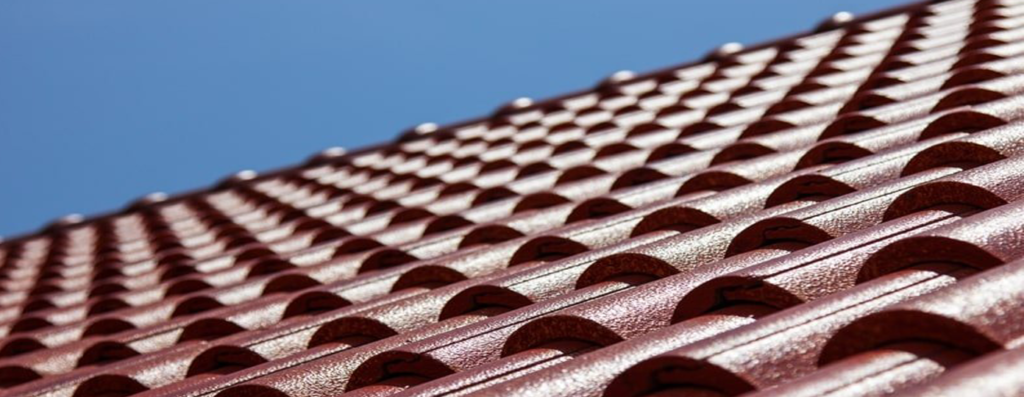
Given how exposed the suburb is, we see a strong lean toward metal roofing on Mount Nelson — Colorbond and Zincalume in Trimdek and Klip-Lok profiles hold up to sustained wind far better than tile on a ridge this exposed, and most of the newer builds are specified this way from the start. Older homes on the suburb’s lower slopes, closer to Sandy Bay, are more likely to carry original tile or iron roofing from an earlier, less wind-driven design era, and these often need more frequent ridge capping attention than similar-aged roofs in sheltered suburbs.
Mount Nelson deals with two separate weather challenges at once: strong, sustained wind off the estuary, and the salt-laden air that comes with any elevated coastal position. Together they accelerate corrosion on unprotected metal roofing and put real stress on ridge capping and flashing fixings. On the suburb’s bushland-fringe streets near Truganini Reserve, gutters also need to be kept clear of leaf litter — a gutter guard is worth considering here, not just for drainage but as a fire-season precaution, since ember attack risk rises where dry debris sits against a roofline.
A metal roof that’s developed a faint rattle or hum during strong wind usually has a sheet or flashing fixing that’s started to work loose — it’s worth getting checked before a bigger storm turns a rattle into a lifted sheet. On tile roofs still common on the lower slopes, look for tiles that have visibly shifted out of alignment along a ridge or hip line after a windy night; even a small shift can be enough to let wind-driven rain underneath on the next storm. Salt residue building up as a white bloom on metal roofing is also worth acting on — it’s an early sign the protective coating is starting to break down before rust actually appears.
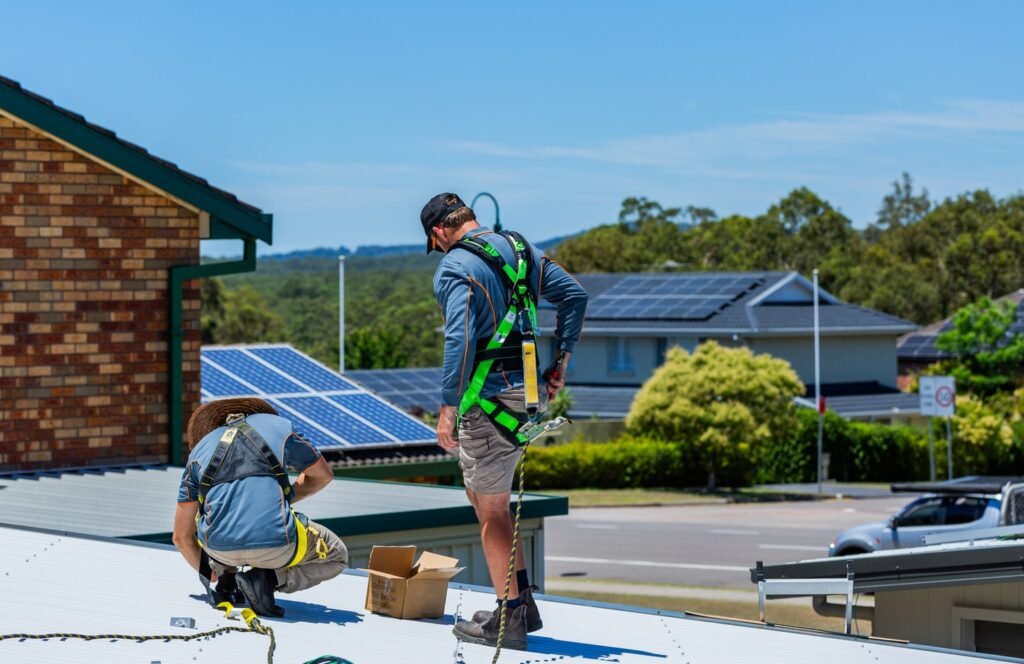
We install and repair Colorbond and Zincalume roofing engineered for the wind conditions Mount Nelson’s elevation creates, and we handle ridge capping restoration on the suburb’s older tile and iron roofs where wind cycling has loosened bedding and pointing over the years. Roof painting is popular here too — a well-maintained coating protects against both UV exposure, which is significant at this elevation, and the corrosive effects of salt-laden wind.
We also do leak repairs, tracing water ingress on the suburb’s often complex, view-oriented roof geometries, and offer 24/7 emergency response to storm damage, which Mount Nelson’s exposed position makes more likely than in sheltered inner suburbs. For homeowners building or renovating to make the most of the view, we can advise on roof profiles and fixing systems rated for the specific wind conditions a given block sees, since exposure varies noticeably even within the suburb depending on aspect and elevation.
Wind-rating requirements are the standout cost factor here — fixing systems and ridge capping methods suited to Mount Nelson’s exposure cost a little more than a standard suburban specification, but they’re what actually keeps a roof intact through a serious wind event, so we don’t recommend cutting corners on this at quote stage. Roof geometry on the suburb’s many view-oriented builds also adds complexity, with more flashing points than a simple gable roof. Access on the steepest terraced blocks can add setup time too. We separate these factors clearly in every quote so you understand exactly what you’re paying for and why.
Late autumn, before the strongest winter westerlies set in, is the best time to have ridge capping and flashing checked on an exposed Mount Nelson roof — catching a loose fixing before the season’s worst wind means the difference between a routine tighten-up and an emergency repair after a lifted sheet. Spring is worth a follow-up inspection too, since it’s when salt residue and any winter wear typically become visible. If your block backs onto Truganini Reserve, clearing gutters ahead of the fire danger period each year is worth treating as non-negotiable rather than optional.
“Is tile ever the right choice up here, or should we always go metal?” Metal is the more forgiving option at this elevation, and it’s what we’d recommend for a new build — but a well-maintained tile roof on a more sheltered block can still perform well, it just needs closer attention to ridge capping over time. “How often should we expect to recoat a metal roof this exposed?” Generally every 10 to 15 years, sometimes sooner on the most wind and salt-exposed aspects, compared with 15-plus years in a more sheltered Hobart suburb.
We’ve worked on roofs right up to the reserve boundary near the Nelson Signal Station and down through the suburb’s lower, more established streets, and we know the difference wind exposure makes to how a roof ages here. We also cover neighbouring Taroona to the south, which shares much of Mount Nelson’s coastal wind exposure, and Sandy Bay directly below.
If you need a repair, a metal roof install rated for the conditions, or storm damage assessed quickly, call (03) 6251 3545 for a free quote.
If you’re looking for roofing services near Mount Nelson, we also service:
Suburbs: Taroona
We are proud to serve Hobart and surrounding areas with reliable, top-quality roofing services. Whether you’re a homeowner upgrading your roof, a developer working on a new build, or a business manager planning a large-scale roofing project—we’re ready to help.
Locally owned and trusted across Southern Tasmania, our roofing and exterior specialists are here to help you replace or repair your roof quickly, safely, and to the highest standards.