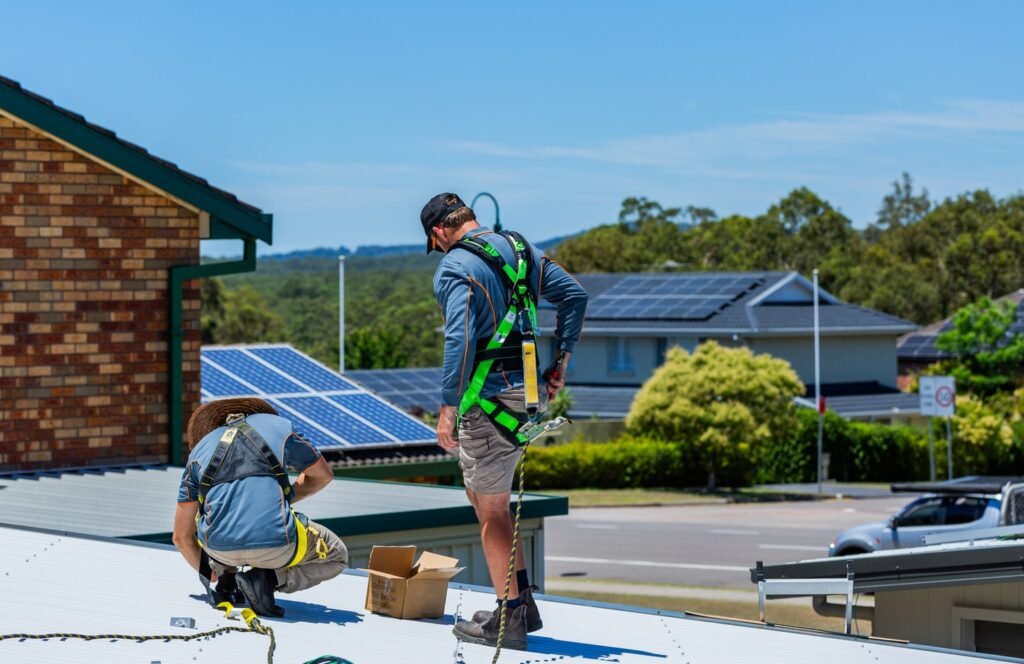


North Hobart is one of Hobart’s most densely built inner suburbs, and its roofline tells that story. Along Elizabeth Street, Argyle Street and the grid of side streets running off them, weatherboard and brick Federation cottages sit shoulder to shoulder with California bungalows and post-war infill, many on blocks narrow enough that roofs share a party wall or run close to the boundary fence. That density changes how roofing work actually gets done here — access is often through a side gate rather than a driveway, and a shared parapet or box gutter between two Federation-era homes needs careful attention so a repair on one roof doesn’t create a drainage problem for the neighbour. It’s also one of Hobart’s most walkable and heritage-conscious precincts, which shapes what a roof is expected to look like from the street as much as how well it performs.
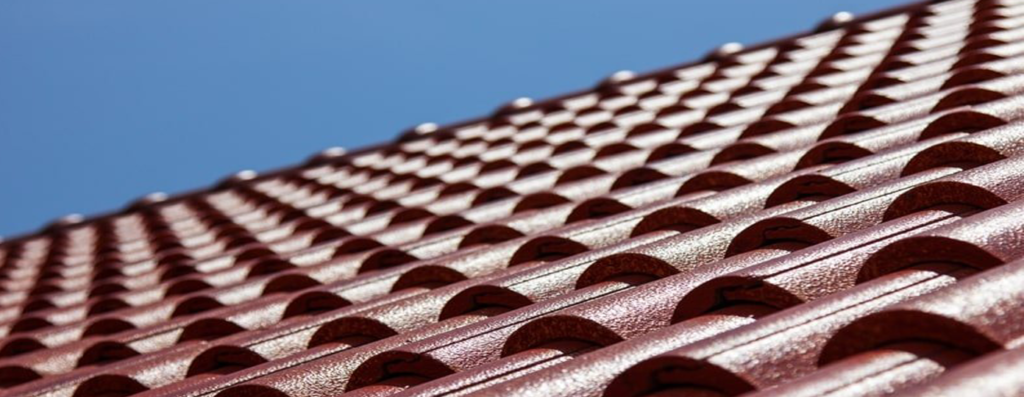
Corrugated galvanised iron is the dominant original roofing material on North Hobart’s older housing stock, much of it dating from the 1900s to 1930s, with a good number of homes re-roofed in Colorbond over the past few decades. Terracotta and concrete tile turns up on the slightly later bungalows, particularly toward Augusta Road and New Town Road. Because many of these roofs are original or first-generation replacements, fastener corrosion, lifted ridge capping and tired flashing around chimneys are common — North Hobart still has plenty of working chimneys from the pre-gas-heating era, and each one is a potential source of a roof leak if the flashing hasn’t been redone.
Where two adjoining Federation cottages meet, you’ll often find a valley gutter or a shared box gutter running between them. These are the single most common source of leaks we get called out for in North Hobart — leaf litter and debris from the suburb’s mature street trees builds up fast in a valley that’s harder to see and harder to clear than an open eave gutter, and once it overflows, water tracks back under the roof sheeting rather than off the edge of the house. If your home backs onto another on a shared gutter line, it’s worth having both sides checked together, since a blockage on one side affects both properties.
A few warning signs come up again and again on the suburb’s older housing stock: a ceiling stain that appears after heavy rain but not light rain, usually pointing to an overwhelmed valley gutter rather than a straightforward hole; rust streaking down the face of iron sheeting near a chimney, which almost always means the flashing has failed; and moss building up along a shaded ridge line, which holds moisture against bedding mortar and speeds up cracking. None of these are urgent on their own, but left unchecked through a wet Hobart winter they tend to compound quickly, especially on a shared roof line where water has more than one path to travel.
We handle the full range of roofing work across the suburb: repairing storm-damaged or cracked tiles, replacing corroded iron sheeting, restoring ridge capping on older Federation homes, and full metal roof replacements — Colorbond, Zincalume, Trimdek and Klip-Lok — for owners upgrading ahead of a renovation. Leak detection is a big part of the work here specifically because of the valley gutters and chimney flashing described above; we trace water back to its actual entry point rather than just patching where the ceiling stain shows up, which with a shared roofline can be a metre or more from where the damage appears indoors.
We also do roof painting, which suits North Hobart well — a lot of owners are restoring rather than replacing to keep the character of the streetscape intact, and a professional paint system on an ageing iron roof buys years of protection at a fraction of replacement cost. For owners planning a bigger renovation, we’re happy to talk through whether restoration or a full colorbond roofing upgrade makes more sense for the property, factoring in the roof’s current condition, the age of the structure underneath it, and what the street’s character calls for.
Access is the biggest cost variable on North Hobart jobs specifically — a straightforward driveway setup keeps a repair or restoration priced close to a standard suburban rate, while a side-gate-only property, or one where scaffolding has to go up over a shared valley gutter between two homes, adds time and materials. Roof pitch and chimney count matter too: a Federation cottage with two or three original chimneys generally needs more flashing work than a simpler bungalow roof. We always walk you through what’s driving the number before we quote, rather than handing over a flat figure.
“My chimney’s decorative now — does the flashing still matter?” Yes. A capped, unused chimney still has a full flashing seal around its base, and that seal ages the same way whether the fireplace is used or not; a decorative chimney with failed flashing leaks exactly like a working one. “Can I just replace the section with the leak?” Sometimes, but on a shared valley gutter between two properties, a partial fix often just moves the problem — we’ll always tell you honestly whether a spot repair will hold or whether the whole valley needs attention. “Is it worth restoring an old iron roof instead of replacing it?” Often yes, if the sheeting itself hasn’t corroded through — a clean, recoat and ridge cap repoint can add 10-plus years for a fraction of a full colorbond roofing replacement.
North Hobart’s building stock sits close to the Elizabeth Street shopping and restaurant strip, and a fair number of homes here fall within character areas where council has an interest in what a roof looks like from the street — colour, profile and visible flashing detail included. We work with that rather than against it, matching Colorbond colours and profiles to what’s already common in the street rather than defaulting to whatever’s cheapest. The suburb’s elevation rises gently from the CBD toward Mount Stuart and Lenah Valley, and homes higher up the slope get more wind exposure on ridge capping and loose tiles than those closer to the flat.
We’ve worked on roofs from Elizabeth Street through to Lefroy Street and up toward Federal Street, and we know which streets have shared valley gutters, which have mature trees dropping debris every autumn, and which chimneys are still in active use versus decorative. We also cover the neighbouring inner-Hobart pockets of West Hobart, Mount Stuart and Glebe, and if your property sits closer to South Hobart or Battery Point, our teams working those suburbs know the specific heritage and terrain considerations there too.
If your roof needs attention — whether it’s a slow leak you’ve been putting off or storm damage that needs an urgent fix — call (03) 6251 3545 for a free, no-obligation quote.
If you’re looking for roofing services near North Hobart, we also service:
Suburbs: Battery Point, West Hobart, South Hobart, Glebe, Dynnyrne, Mount Stuart and Sandy Bay
We are proud to serve Hobart and surrounding areas with reliable, top-quality roofing services. Whether you’re a homeowner upgrading your roof, a developer working on a new build, or a business manager planning a large-scale roofing project—we’re ready to help.
Locally owned and trusted across Southern Tasmania, our roofing and exterior specialists are here to help you replace or repair your roof quickly, safely, and to the highest standards.