

South Hobart sits directly in the foothills of kunanyi/Mount Wellington, and that geography does more to a roof here than in almost any other Hobart suburb. The mountain generates its own weather — homes on Cascade Road, Strickland Avenue and the streets climbing toward Fern Tree see noticeably more rainfall and longer periods of damp shade than suburbs just a few kilometres away on the flat. Combined with dense tree cover from the surrounding bushland, that means South Hobart roofs deal with more moss, more gutter debris and more sustained water flow than most of Hobart’s roofing stock.
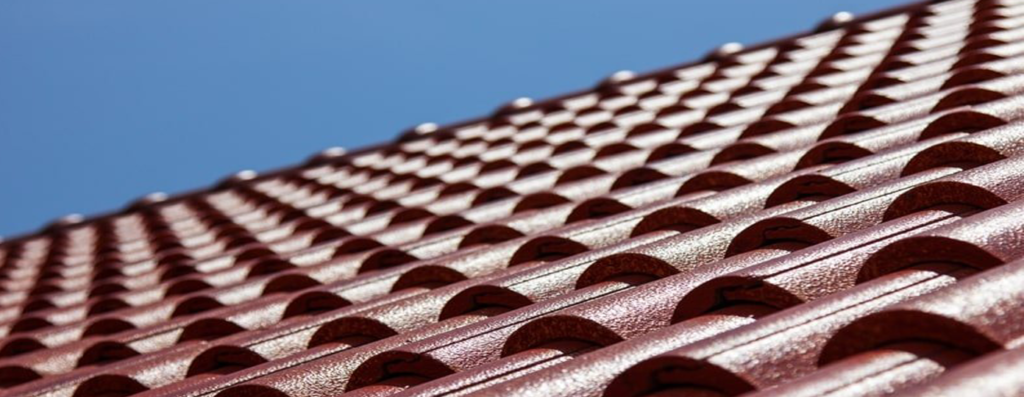
The suburb has a strong mix of 19th and early 20th century workers’ cottages — many originally built for Cascade Brewery employees — alongside later weatherboard infill and a handful of more contemporary builds on the steeper blocks toward the mountain. Corrugated iron is the traditional roofing material here, and a lot of it is still original or close to it, showing surface rust and failing paint systems from decades of damp exposure. Terracotta tile appears on some of the later cottages, and we’re seeing more colorbond roofing replacements as owners renovate.
Because South Hobart catches more rainfall and sits in the shade of the mountain for longer through the day, moss and lichen growth on tile and older iron roofs is more aggressive here than in suburbs further from the escarpment. Gutters also carry a heavier debris load — bark, leaves and seed pods from surrounding bushland — and on the steeper blocks, stormwater comes off the roof with more force, which puts extra strain on gutter brackets and downpipe joints. We recommend South Hobart properties get gutters cleared more often than the standard once-a-year guidance most Hobart suburbs get, particularly on homes backing directly onto reserve land.
Green or black staining spreading across a tile roof, especially on the shaded south-facing pitch, is one of the clearest early signs a roof needs restoration here — it means moss has taken hold and is starting to hold moisture against the tile surface, which accelerates cracking over a few winters. Gutters that overflow during moderate rain rather than only heavy downpours usually mean a blockage further along the run, not a capacity problem, and it’s worth checking before a bigger storm arrives. On older iron roofs, look for streaks of rust below fastener points, which is often the first visible sign that original fixings are due for replacement — and any sign of a roof leak after a storm is worth acting on quickly given how much water this suburb actually receives.
We do a lot of roof restoration work in this suburb specifically because of that moss and lichen problem — cleaning, treating and resealing tile and iron roofs that are structurally sound but showing the effects of constant damp shade. Ridge capping restoration is also common here, since the older cement-bedded ridge lines on the Cascade-era cottages tend to crack under the freeze-thaw cycling that comes with the mountain’s cooler microclimate. For leaks, we check valley gutters and box gutters first, since these fill with debris faster here than anywhere else in greater Hobart — an under-sized or poorly maintained valley is the most common cause of a slow leak we find on South Hobart callouts.
We also handle full metal roof installations and replacements for owners upgrading tired iron roofing, and we’re equipped for emergency storm damage roof repair when a fallen branch or heavy weather needs a same-day fix. For properties directly bordering bushland, we can also fit gutter guards, which reduce both the leak risk from blocked valleys and the debris load that becomes a genuine fire-season hazard if left unmanaged.
Access and terrain drive most of the cost variation we see here — a job on a steep, narrow Cascade Road block with limited vehicle access takes longer to set up safely than one on a flat, driveway-accessible street. The extent of moss and lichen treatment needed also affects restoration pricing, since a roof that’s been neglected through several damp winters needs more thorough cleaning and treatment than one on a maintenance schedule. We’ll always give you a clear breakdown of what’s driving your particular quote rather than a generic per-square-metre figure.
“Why does my roof grow moss faster than my neighbour’s on the flat?” Shade and rainfall — South Hobart genuinely receives more of both than suburbs even a couple of kilometres away, and moss needs sustained moisture to establish. “How often should gutters actually be cleared here?” We’d suggest twice a year as a minimum, spring and autumn, rather than the once-a-year rule of thumb that works fine elsewhere in Hobart. “Is restoration or replacement the better option for an old brewery-era cottage roof?” If the iron itself hasn’t rusted through, restoration is almost always the more cost-effective route and keeps the roof looking right for a heritage streetscape.
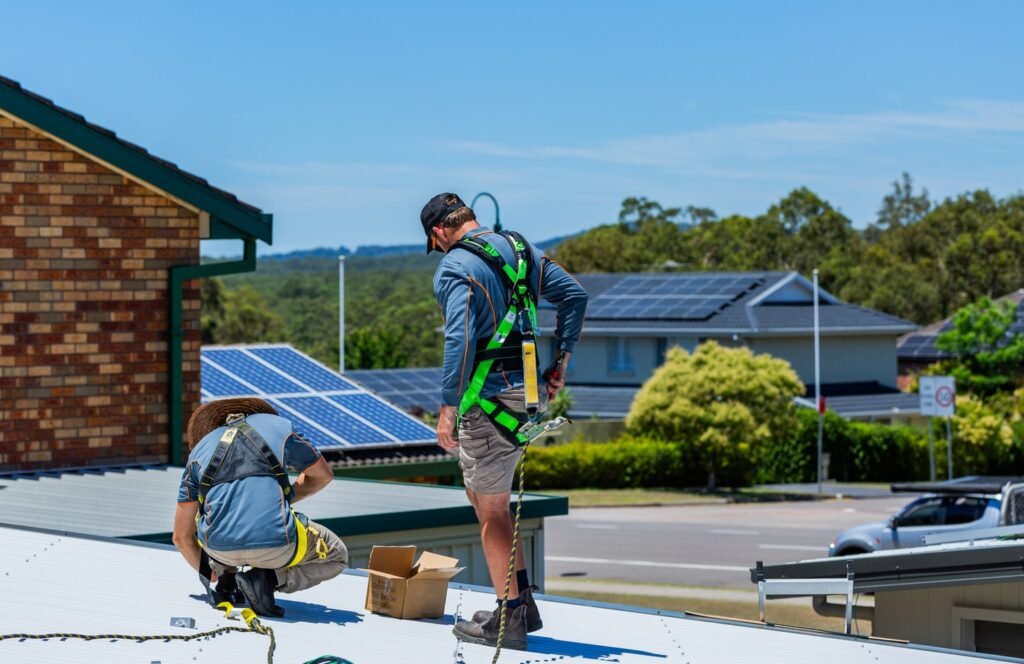
A good number of South Hobart properties sit on steep or narrow blocks with limited vehicle access, particularly up around Cascade Road and the higher parts of Strickland Avenue, so we plan access and scaffolding for each job rather than assuming a standard suburban setup. We also service neighbouring West Hobart directly, and Dynnyrne and Sandy Bay a little further around the mountain’s base, along with Lenah Valley further along the range, which shares a similar rainfall and shade profile even though it’s not a direct neighbour.
Whether you’re dealing with a mossy tile roof that needs restoring, a leak that’s been tricky to pin down, or storm damage from a fallen branch, our local team knows South Hobart’s roofing challenges well. Call (03) 6251 3545 for a free quote.
If you’re looking for roofing services near South Hobart, we also service:
Suburbs: Battery Point, West Hobart, North Hobart, Glebe, Dynnyrne, Mount Stuart and Sandy Bay
We are proud to serve Hobart and surrounding areas with reliable, top-quality roofing services. Whether you’re a homeowner upgrading your roof, a developer working on a new build, or a business manager planning a large-scale roofing project—we’re ready to help.
Locally owned and trusted across Southern Tasmania, our roofing and exterior specialists are here to help you replace or repair your roof quickly, safely, and to the highest standards.