

Taroona stretches along the western shore of the lower Derwent estuary south of Sandy Bay, bounded by the forested foothills of Mount Nelson and The Lea on one side and the river on the other. It’s a suburb defined by water — five beaches, foreshore walking tracks, and a housing stock that ranges from mid-century architectural gems to contemporary multi-level homes built specifically to capture sweeping river views, with the historic Shot Tower standing as the suburb’s best-known landmark. Coastal roofing is simply the baseline condition here, whatever the age or style of the home.
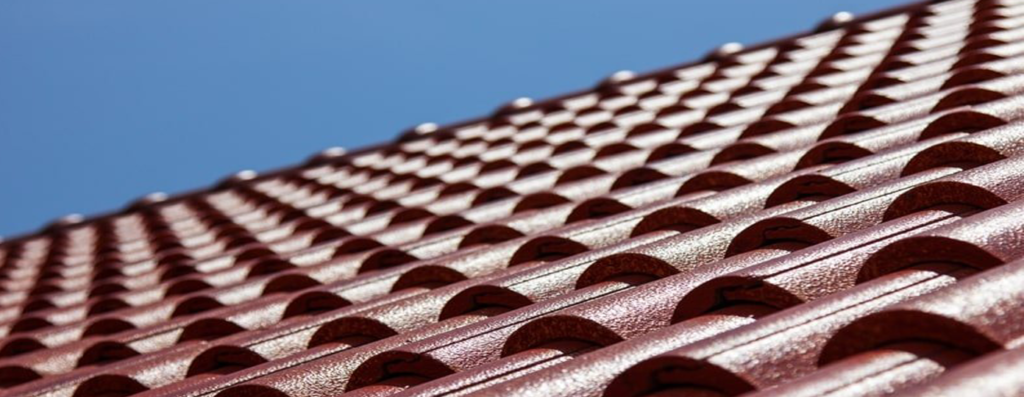
Many Taroona properties occupy elevated, view-oriented blocks, and the roof forms reflect that — multiple pitches, larger areas of flashing, and often more complex geometry than a standard suburban roof, all designed to maximise natural light and outlook while still shedding Hobart’s winter rain effectively. Colorbond and Zincalume steel dominate the newer and renovated homes, chosen specifically for their resistance to the coastal air the whole suburb sits in. Older mid-century homes are more likely to carry original tile or iron roofing that’s now due for restoration or replacement after decades of coastal exposure.
Taroona deals with the same combination of challenges as Mount Nelson immediately behind it — sustained salt-laden air off the estuary, plus wind exposure that increases the higher a block sits. Together these accelerate corrosion on unprotected iron and steel, put extra load on ridge capping and flashing fixings, and mean roof coatings need refreshing on a shorter cycle than an equivalent roof further from the water. Streets bordering the forested foothills toward Mount Nelson and The Lea also see leaf litter and bark debris in gutters, and a gutter guard is a sensible addition on these bushland-adjacent blocks, adding fire-season considerations to the usual drainage maintenance.
On complex, multi-pitch roofs common through Taroona, the junction where two roof planes meet — particularly near a skylight or roof window taking advantage of the view — is the spot most likely to develop a flashing leak first, so it’s worth a specific look after any period of sustained wind-driven rain rather than waiting for a stain to appear. On beachfront and elevated blocks alike, a build-up of salt residue on gutters and downpipes is worth clearing periodically, since it holds moisture against the metal and speeds up corrosion in exactly the spots that are hardest to see from ground level.
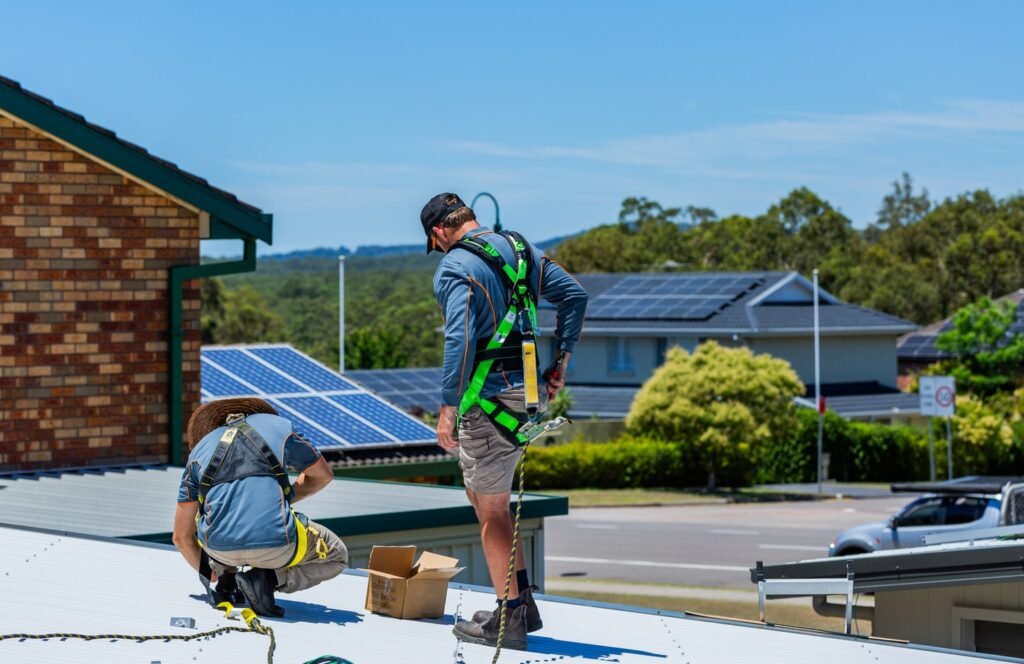
We install and repair Colorbond and Zincalume roofing across Taroona’s mix of established and contemporary homes, working with the more complex roof geometries the suburb’s view-oriented architecture often involves. Roof restoration is common on older properties — cleaning, repointing ridge caps and resealing tile or iron roofing that’s sound but affected by decades of coastal exposure.
We handle leak repairs with particular attention to flashing around skylights and multiple roof junctions, which tend to be the first failure points on Taroona’s more architecturally varied rooflines, and roof painting to protect against both UV and salt-air corrosion. For storm damage, we offer 24/7 emergency response, given how exposed the suburb’s elevated blocks can be during a significant weather event.
Roof complexity is the biggest cost driver on Taroona’s view-oriented homes — multiple pitches, skylights and roof windows all add flashing points that take more time and materials than a simple gable roof. Coastal-grade fixings and coatings are worth the modest extra cost across the whole suburb given the sustained salt exposure, since they extend the interval before the next restoration is needed. Access on the steepest elevated blocks can also add setup time. We’ll break down exactly which of these applies to your property before quoting.
Given the combination of salt air and elevation, we’d recommend a Taroona roof gets checked twice a year rather than the annual schedule that suits more sheltered suburbs — once in autumn ahead of the wetter, windier months, and again in spring to catch anything the winter’s weather has worked loose. Bushland-adjacent streets toward Mount Nelson and The Lea should add a gutter clear to both visits, particularly before the fire danger period.
“We’re building new with a lot of glass and skylights — what should we know about the roof?” Every roof penetration is a potential leak point, so on a design-heavy build like many in Taroona, we’d rather review flashing details at plan stage than fix them after the roof is on. “Is it worth the extra cost for a better-grade coastal coating?” On a suburb this exposed, generally yes — the difference in maintenance frequency and lifespan between a standard and a coastal-rated finish is significant enough to pay for itself over the life of the roof.
From the beachfront streets near Hinsby Beach and Taroona Beach through to the elevated blocks with sweeping Derwent views, we understand how exposure and terrain vary across this suburb and adjust our recommendations accordingly. We also cover neighbouring Mount Nelson directly north and Sandy Bay a little further along the coast, both sharing Taroona’s combination of salt air and elevation.
Whether you need a new metal roof, a restoration, or an urgent repair, call (03) 6251 3545 for a free quote.
If you’re looking for roofing services near Taroona, we also service:
Suburbs: Mount Nelson
We are proud to serve Hobart and surrounding areas with reliable, top-quality roofing services. Whether you’re a homeowner upgrading your roof, a developer working on a new build, or a business manager planning a large-scale roofing project—we’re ready to help.
Locally owned and trusted across Southern Tasmania, our roofing and exterior specialists are here to help you replace or repair your roof quickly, safely, and to the highest standards.