Roofing Hobart Pty Ltd clear background

There’s a moment that comes to every homeowner—usually during a particularly heavy downpour or after a wild, windy night—when you look up at your ceiling and wonder: “Is my roof okay?” Maybe you’ve noticed a small stain that wasn’t there before. Perhaps you heard some unusual creaking during the last storm. Or maybe you’ve simply lived in your home long enough to know that roofs don’t last forever.

When concerns about your roof surface, you’re faced with a crucial question that can feel overwhelming: Should you invest in roof repairs to fix the current issues, or is it time to bite the bullet and go for a complete roof replacement?

It’s not a simple decision, and it’s certainly not one to take lightly. Your roof represents a significant financial investment, whether you’re patching a few problem areas or installing an entirely new system. But perhaps more importantly, your roof is your home’s primary defense against Hobart’s notoriously unpredictable weather. Get this decision wrong, and you could end up spending money twice—once on repairs that only delay the inevitable, and again on the replacement you should have done in the first place.

The good news? With the right information and honest professional guidance, you can make a confident decision that protects both your home and your budget. Let’s walk through everything you need to know.

Making the right choice can save you money and protect your home in the long term. Here’s how to decide what’s best for your Hobart property.
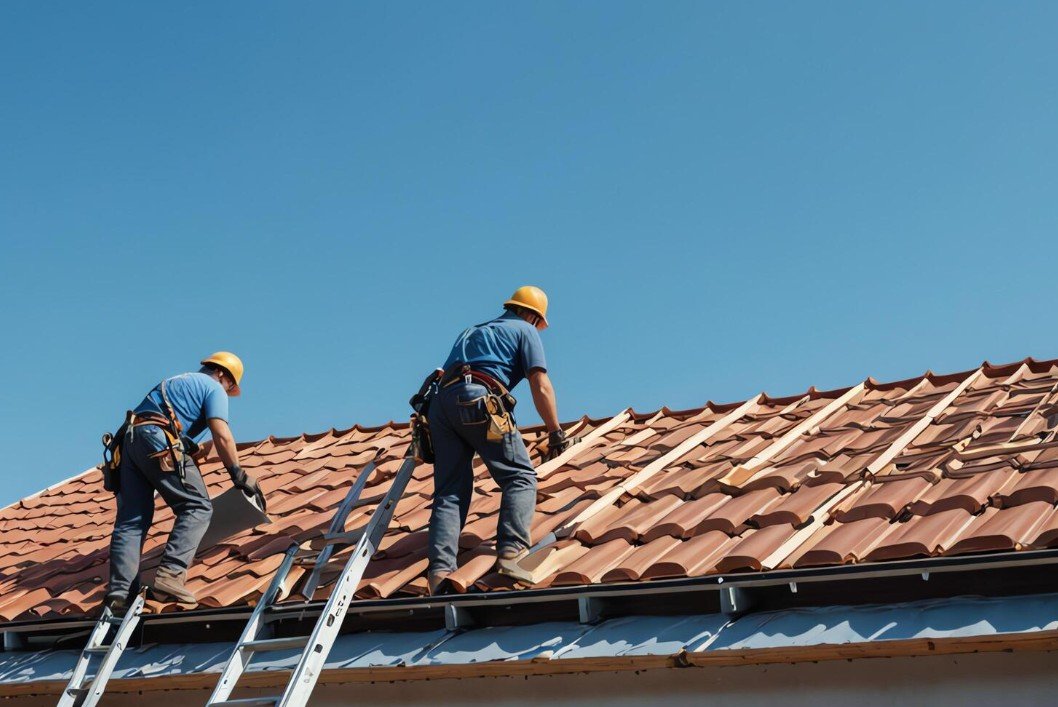
Local roofers fixing tile roof

Understanding the Real Cost of Making the Wrong Choice

Before we dive into the specifics, it’s worth considering what’s at stake. Choosing between roof repairs and roof replacement isn’t just about the upfront cost—it’s about making the smartest long-term investment for your property.

The Risk of Under-Repairing

Some homeowners, understandably trying to minimize expenses, opt for repeated small repairs when a replacement would actually be more economical. This approach can lead to a frustrating cycle: you fix one leak, only to have another appear six months later. You patch damaged sections, but the problems keep multiplying. Before you know it, you’ve spent thousands on piecemeal repairs for a roof that’s fundamentally past its useful life.

Meanwhile, the underlying problems continue causing hidden damage to your home’s structure, insulation, and interior. What could have been one decisive investment becomes an ongoing drain on your finances and peace of mind.

The Risk of Over-Replacing

On the flip side, some homeowners panic at the first sign of trouble and assume they need a complete roof replacement when targeted repairs would suffice. This means spending potentially tens of thousands of dollars unnecessarily—money that could have been better used elsewhere on your property or kept in your savings.

The key is knowing which situation applies to your specific roof, at this specific point in its life. Let’s break down exactly when each option makes the most sense.

When Roof Repairs Are Your Best Option: Signs and Scenarios

In many cases, timely roof repairs can add years—sometimes even decades—to your roof’s life. The trick is catching problems early and addressing them before they spiral into something more serious. Here’s when repairs are typically the right call.

Your Roof Is Still Relatively Young

Age is one of the most important factors in this decision. If your roof is less than 15 years old and you’re experiencing problems, repairs are almost always the better choice. Modern roofing materials are designed to last 20-50 years depending on the type, so a younger roof with isolated issues likely just needs targeted attention rather than complete replacement.

For example, a ten-year-old tile roof with a few cracked tiles from a recent storm doesn’t need replacing—it needs professional roof repairs to swap out the damaged tiles and ensure the surrounding area is sound. The rest of your roof still has potentially decades of life left.

The Damage Is Localized and Specific

Not all roof problems indicate systemic failure. Sometimes damage is limited to one area or caused by a specific event. These situations are perfect candidates for repairs:
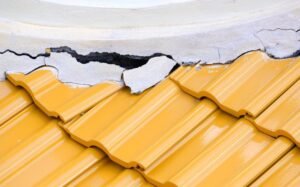
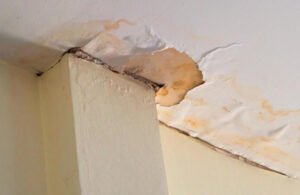
Storm Damage

After severe weather, you might have several damaged tiles, a section of displaced metal sheeting, or compromised flashing around your chimney. If the damage is confined to the affected area and the rest of your roof is in good condition, targeted roof repairs will restore your roof's integrity without the expense of replacement..

Ridge Capping Issues

The ridge capping along your roof's peak takes tremendous exposure to weather and often needs attention before the rest of the roof. If your ridge capping has crumbled or loosened but your roof surface is still in good shape, ridge cap restoration can extend your roof's life by many years—often at a fraction of the cost of replacement.

Isolated Leaks

A leak in one corner of your home, particularly if your roof is otherwise sound, can often be traced to a specific cause: failed flashing, a cracked tile, a lifted sheet, or deteriorated sealing around roof penetrations. Finding and fixing that specific issue solves the problem completely.

Minor Rust Spots on Metal Roofs

Early-stage rust on metal roofing doesn't mean you need a new roof. When caught early, surface rust can be treated, contained, and sealed, preventing it from spreading and giving your metal roof many more years of service.

The Roof Structure Is Still Sound

Even if your roof has some visible problems, what matters most is the structural integrity underneath. During a professional inspection, roofers assess not just what you can see from outside, but the condition of the roof framing, sarking, and battens underneath.

If the structure is solid—meaning the timber isn’t rotted, the framing is square and stable, and the sarking is intact—then surface problems can typically be addressed with repairs. The foundation of your roof is good; it just needs some maintenance to keep it functioning properly.

You’re Working With Budget Constraints

Let’s be honest: money matters. If you’re facing unexpected roof problems and a full replacement simply isn’t feasible right now, strategic roof repairs can be a lifeline. The key word here is “strategic.” You want repairs that genuinely solve problems and buy you meaningful time, not just cosmetic patches that look good for a few months.

A reputable roofing contractor will help you prioritize: which repairs are urgent for protecting your home, which can wait, and whether repairs will genuinely give you several more years of roof life. If the answer to that last question is yes, repairs can be a smart way to manage your budget while still protecting your home.

You’re Planning to Sell Soon

If you’re planning to put your house on the market within the next year or two, roof repairs might make more financial sense than replacement. Addressing visible problems ensures your roof passes inspection and doesn’t become a negotiating point with buyers, but you avoid investing in a complete replacement that you won’t benefit from long-term.

That said, this only applies if repairs truly address the issues. Cosmetic fixes that don’t solve underlying problems will be caught during a buyer’s building inspection, potentially derailing your sale or forcing price reductions anyway.

When Roof Replacement Is the Smarter Investment: Recognizing the Signs

Sometimes, trying to repair an aging or extensively damaged roof is like trying to save a car that needs a new engine, transmission, and frame. At some point, you’re better off starting fresh. Here’s when roof replacement becomes not just advisable, but the genuinely economical choice.

Your Roof Has Reached or Exceeded Its Expected Lifespan

Different roofing materials have different lifespans, even in Hobart’s challenging climate:

External Assessment

The inspector examines all visible roofing materials, checking for damage, wear, and proper installation. They assess ridge capping, flashing, and seals around all roof penetrations, evaluate gutters and drainage systems, and look for signs of biological growth, rust, or deterioration.

Structural Evaluation

From inside your roof cavity (if accessible), they inspect rafters and framing for rot or damage, check battens and sarking condition, assess insulation, and look for signs of water penetration or moisture issues.

Comprehensive Documentation

Quality inspections include photographic evidence of all issues, detailed written reports explaining what they found, clear recommendations on necessary repairs or replacement, and honest cost estimates for different options.

If your roof is at or beyond these ages, you’re approaching the point where replacement makes more sense than repairs. Materials break down over time—tiles become porous and brittle, metal thins and corrodes, and protective coatings deteriorate. Even if individual problems seem small, an old roof system is likely to present one issue after another as different components reach failure point simultaneously.

You’re Experiencing Multiple, Recurring Problems

One leak is a problem. Three leaks in different areas is a pattern. When you find yourself calling for roof repairs repeatedly, or when problems seem to pop up faster than you can fix them, your roof is telling you something: it’s reached the end of its serviceable life.

Common patterns that indicate replacement is needed:

  • Leaks that return despite repairs, or new leaks appearing shortly after repairs
  • Widespread tile damage across multiple areas of the roof
  • Extensive rust or corrosion affecting large sections of metal roofing
  • Multiple ridge capping sections failing at once
  • Persistent moss or biological growth that returns quickly after cleaning

These patterns suggest the roof has deteriorated to the point where it can no longer perform its basic function reliably. Continuing to repair is often throwing good money after bad.

There’s Significant Structural Damage

During inspections, roofing professionals look beyond surface issues to the structure underneath. If they find extensive rot in rafters or battens, sagging sections indicating structural failure, water damage to roof framing, or widespread sarking deterioration, your problems go beyond what repairs can address.

Structural issues mean water has been penetrating your roof system for some time, causing damage that repairs can’t undo. In these cases, roof replacement—which includes addressing and replacing damaged structural components—is necessary to ensure your home is safe and protected.

Your Roof’s Performance Is Noticeably Declining

Sometimes the signs aren’t as dramatic as leaks or visible damage. Instead, you notice your home isn’t as comfortable as it used to be. Your heating and cooling costs have crept up. Certain rooms feel drafty. Your upstairs is particularly hot in summer or cold in winter.

These symptoms often indicate your roof’s insulation and weather-sealing properties have degraded. Modern roof replacement includes updated insulation standards and improved ventilation, which can dramatically improve your home’s energy efficiency. In these cases, the investment in roof replacement can actually pay for itself over time through reduced energy costs.

You Want to Update Your Roofing Material

Sometimes roof replacement isn’t about necessity—it’s about improvement. Maybe you have old, faded tiles and want the sleek look of modern Colorbond. Perhaps your heavy concrete tiles are showing their age and you’d prefer lighter, more durable materials. Or you’re tired of the maintenance demands of your current roof and want something more low-maintenance.

If you’re planning this kind of upgrade anyway, it makes sense to do it when your existing roof is showing signs of age rather than investing in repairs first. You get the benefits of new roofing technology, improved weather resistance, better energy efficiency, and a fresh aesthetic that can transform your home’s appearance.

Property Value and Long-Term Plans Matter

If you’re planning to stay in your home for many years, roof replacement becomes an investment in your own long-term comfort and security. You eliminate ongoing repair concerns, benefit from modern materials and installation techniques, and have peace of mind knowing your roof will protect your home for decades to come.

A new roof also significantly boosts property value—often returning 60-70% of the investment when you eventually sell, and making your home more attractive to buyers who value a property they can move into without immediate major expenses.

The Financial Reality: Breaking Down the Costs

Let’s talk numbers, because understanding the financial implications is crucial to making a smart decision.

What Roof Repairs and Roof Replacement Typically Cost, contact us for FREE QUOTE

The Hidden Costs of Waiting

One factor many homeowners overlook is the cost of not taking action. An aging, failing roof isn’t just annoying—it’s actively damaging your home:

  • Water intrusion damages ceilings, walls, insulation, and possessions
  • Structural timber rot requires expensive remediation
  • Mold and mildew affect indoor air quality and can impact health
  • Energy efficiency suffers, increasing utility bills
  • Property value declines if roof problems are visible
  • Emergency repairs after major damage often cost significantly more

When considering the financial picture, factor in not just the cost of repairs or replacement, but the cost of continued problems if you choose wrong.

The Critical Importance of Professional Assessment

Here’s where many homeowners make their biggest mistake: trying to diagnose roof problems from the ground or making decisions based on surface-level information. The truth is, you can’t accurately assess your roof’s condition without professional inspection.

What a Proper Roof Inspection Includes

A thorough professional inspection involves much more than a quick look from a ladder:

Terracotta tiles

50-100 years for the tiles themselves, though the roof system (sarking, battens, flashings) may need attention sooner

Concrete tiles

30-50 years before they become brittle and prone to cracking

Metal roofing (Colorbond/Zincalume)

30-50 years in good conditions, potentially less in coastal areas

Corrugated iron

0-50 years if well-maintained, though many older roofs deteriorate faster

Questions to Ask During Your Inspection

When you have a roofing professional assess your roof, come prepared with questions:

  • What is the remaining serviceable life of my current roof?
  • Are the problems I’m experiencing isolated or indicative of systemic issues?
  • If I choose repairs, how many years of additional life can I reasonably expect?
  • What will happen if I delay repairs or replacement?
  • Are there any safety concerns with the current condition?
  • What would you recommend if this were your home?

That last question is particularly telling. A trustworthy contractor will give you the same advice they’d give their own family—whether that’s strategic repairs to buy time or investment in replacement for long-term value.

Warning Signs of Unreliable Advice

Unfortunately, not all roofing contractors have your best interests at heart. Be wary if:

  • They push for replacement without showing you why repairs won’t work
  • They suggest only minor repairs for a roof that’s clearly at end-of-life
  • They can’t clearly explain their reasoning or show evidence
  • They pressure you for immediate decisions
  • Their estimate seems dramatically higher or lower than others without explanation
  • They discourage you from getting second opinions

Special Considerations for Hobart Properties

Our local climate and building characteristics create some unique factors that influence the repairs versus replacement decision.

Hobart’s Weather Impact

Our frequent rain, strong winds, and coastal conditions accelerate roof deterioration. A roof that might last 50 years in a drier, calmer climate might need replacement at 35-40 years here. This means age-based decisions need to account for our harsher conditions.

Salt air affects metal roofs more aggressively in Hobart, particularly in coastal suburbs. What appears to be surface rust might indicate more extensive corrosion than similar rust would in inland areas. Professional assessment of metal roof deterioration is especially important here.

Heritage and Older Homes

Hobart has many beautiful older homes with original roofing. If you own a heritage property or a home in a heritage-listed area, replacement might involve:

  • Council approval processes
  • Requirements to match original materials or appearance
  • Higher costs due to specialized materials or techniques
  • Longer timeframes due to regulatory requirements

In these cases, extensive roof repairs might be preferred—or even required—to preserve the home’s character, even if replacement would otherwise make more sense.

Asbestos Considerations

Many older Hobart homes have asbestos-containing roofing materials, particularly cement sheeting from before the 1980s. If your roof contains asbestos, replacement requires specialized licensed contractors and proper disposal procedures, significantly increasing costs. However, this doesn’t necessarily mean replacement is wrong—it just needs to factor into your planning and budgeting.

Making Your Decision: A Practical Framework

Let’s bring all this information together into a practical decision-making framework.

The Repair-Friendly Profile

Consider roof repairs if your situation matches most of these criteria:

  • Your roof is under 15-20 years old
  • Problems are isolated to specific areas
  • The structure underneath is sound
  • You’ve caught issues early before extensive damage
  • Your budget requires a more modest investment right now
  • You’re planning to sell within a few years
  • Professional inspection confirms repairs will provide 5-10+ more years of reliable service

The Replacement-Ready Profile

Lean toward roof replacement if several of these apply:

  • Your roof is over 20-30 years old (depending on material)
  • You’re experiencing multiple, recurring problems
  • There’s structural damage or extensive material deterioration
  • You’ve already spent significantly on repairs with diminishing returns
  • You plan to stay in your home long-term
  • Energy efficiency and comfort have noticeably declined
  • You want to improve your property value
  • Professional inspection suggests replacement is the economical choice

The Gray Area

Sometimes the answer isn’t clear-cut. Maybe your roof is 18 years old with moderate problems. Or you’re facing a repair bill for a roof that might only last another 5-8 years. These in-between situations require careful analysis of your specific circumstances.

In gray area situations, consider:

  • Your financial situation and ability to manage either expense
  • How long you plan to stay in the home
  • Whether incremental problems are likely to continue
  • The peace of mind value of knowing your roof is completely sound
  • Whether the repair costs approach 30-40% of replacement costs (a common tipping point)

The Value of Honest Professional Guidance

Throughout this article, we’ve emphasized professional inspection and assessment. There’s a reason: the difference between a good decision and a costly mistake often comes down to having accurate, unbiased information about your roof’s true condition.

At Roofing Hobart Tasmania, we’ve built our reputation on providing exactly that kind of honest guidance. When we inspect your roof, we’re not trying to sell you the most expensive option—we’re trying to recommend what genuinely makes sense for your situation. Sometimes that’s straightforward roof repairs that will give you many more years of service. Sometimes it’s investing in roof replacement that will protect your home for decades to come.

We understand that these decisions involve your hard-earned money and your family’s protection. That deserves respect, transparency, and advice you can trust. We’ll show you exactly what we found, explain what it means in plain language, provide clear options with realistic cost estimates, and give you our honest recommendation—then let you make the final decision with confidence.

Taking the Next Step: Your Action Plan

If you’re trying to decide between roof repairs and roof replacement for your Hobart property, here’s your action plan:

Schedule a Professional Inspection

This is your essential first step. You can't make an informed decision without accurate information about your roof's current condition. Look for inspectors who provide detailed written reports with photographic evidence and who take time to explain their findings clearly.

Get Multiple Opinions If Needed

If the first assessment surprises you—whether it's recommending expensive replacement or suggesting minimal repairs when you expected worse—don't hesitate to get a second opinion. Quality contractors won't be offended; they understand the importance of these decisions.

Consider Your Full Situation

Factor in not just the roof's condition, but your financial situation, how long you plan to stay in the home, whether other major home improvements are planned, and the value of peace of mind to you and your family.

Make Your Decision With Confidence

Once you have complete information and professional recommendations, you can decide with confidence. Whether you choose repairs or replacement, you'll know you've made the right choice for your specific circumstances.

Act on Your Decision Promptly

Once you've decided, don't delay implementation. If repairs are needed, getting them done quickly prevents problems from worsening. If replacement is the answer, planning and scheduling ensures the work happens before weather causes additional damage or emergency situations arise.

Final Thoughts: Protecting Your Home and Investment

Your roof might not be the most glamorous part of your home, but it’s certainly one of the most important. It’s the shield between your family and everything Hobart’s weather can throw at you. It’s a major component of your property’s value. And it’s a system that requires intelligent decision-making when problems arise.

The choice between roof repairs and roof replacement isn’t always straightforward, but it doesn’t have to be stressful either. With professional guidance, honest assessment, and clear information about your options, you can make the decision that protects both your home and your budget.

Whether you need targeted repairs to address specific issues or it’s time to invest in a complete roof replacement, the most important thing is acting on accurate information rather than assumptions. Your home deserves that level of care, and so does your peace of mind.

Don’t let uncertainty keep you up at night—or keep you wondering every time it rains whether your roof is doing its job. Contact Roofing Hobart Tasmania today for a thorough inspection and honest assessment. We’ll give you the clear answers you need to make the right decision for your property, your budget, and your future. Because when it comes to protecting your home, you deserve nothing less than complete confidence in the roof over your head.

image

Why You Shouldn’t Delay Emergency Roof Repairs Across Tasmania

When it comes to your roof, time is never on your side. A small leak today can turn into a…
image

How to Find a Roof Leak in Hobart: A Homeowner’s Guide

What Every Homeowner Needs to Know It usually happens at the worst possible time. You're settling in for a cozy…
image

Everything You Need to Know About Ridge Cap Restoration

Picture this: You're lying in bed on a wild Hobart night—the kind where the wind howls around your house and…

Request a Free Quote Today