Safe Tree Management
Trimming trees near your home requires careful consideration:
For Small Branches If branches are within easy reach and small enough to cut safely with hand tools, this might be a DIY job. Use proper equipment, never work from a ladder while using cutting tools, be aware of power lines, and ensure cut branches won’t damage your roof or property when they fall.
For Large Branches or Tall Trees This is definitely a job for professional arborists. They have the equipment, expertise, and insurance to safely remove overhanging branches without damaging your property or risking injury. The cost of professional tree trimming is modest compared to the potential cost of damage or injury from DIY attempts.
Timing Considerations Spring is actually an ideal time for tree maintenance. Many species respond well to pruning before their main growing season, professionals are generally available (not as busy as in storm-damage season), and you’re preparing for the windier spring weather ahead.
Council Regulations
Before cutting anything significant, check local regulations. Some trees are protected and require council permission to trim. Native species often have specific protections. Trees on neighboring properties require permission from the owner. Heritage-listed properties may have restrictions.
A quick call to your local council can save significant hassle and potential fines.
5. Consider Roof Restoration for Appearance and Protection
After winter’s assault, your roof might be looking a bit tired. Maybe the colors have faded. Perhaps there’s visible moss or lichen growth. The surface might look worn and weathered. If any of this sounds familiar, spring is the perfect time to consider roof restoration—not just for appearance, but for genuine protection benefits.
What Roof Restoration Actually Involves
Roof restoration is far more comprehensive than just giving your roof a fresh coat of paint. It’s a systematic process that rejuvenates your entire roofing system:
Deep Cleaning The process begins with thorough high-pressure cleaning to remove all accumulated dirt, moss, lichen, algae, and organic debris. This cleaning exposes the true condition of your roofing materials and ensures proper adhesion of treatments and coatings.
Treatment Application Biocide treatments kill moss, lichen, and algae at the root level, preventing regrowth. This treatment continues working long after application, keeping your roof cleaner for years.
Repairs and Preparation Before coating, any damaged tiles are replaced, cracked or broken materials are repaired, ridge capping is rebedded if needed, and flashing and seals are renewed where necessary. This ensures the foundation is sound before protective coatings are applied.
Primer and Coating Application Multiple coats of specialized roof sealer are applied. These modern coatings are designed for our climate—they’re flexible to handle thermal expansion, UV-resistant to prevent degradation, waterproof to provide additional leak protection, and resistant to mold and biological growth.
Finishing Touches Professional roof restoration includes careful work around all penetrations and fixtures, neat finishing at roof edges and valleys, inspection of all work, and cleanup of your property.
The Benefits Beyond Appearance
While a restored roof certainly looks better—improving your home’s curb appeal and potentially adding to property value—the benefits go much deeper:
Extended Roof Life Quality roof restoration can add 10-15 years to your roof’s serviceable life. The protective coatings shield your roofing materials from UV damage, weathering, and biological growth, dramatically slowing deterioration. When you consider that roof replacement costs tens of thousands of dollars, restoration is an excellent investment.
Enhanced Weather Protection The sealers and coatings applied during restoration create an additional barrier against water penetration. This extra layer of protection is particularly valuable in Southern Tasmania’s wet climate. It doesn’t replace your roof’s existing waterproofing, but it supplements it—catching problems that might otherwise develop and preventing minor imperfections from becoming major leaks.
Improved Energy Efficiency Modern roof coatings often include reflective properties that reduce heat absorption. This means your home stays cooler in summer, reducing air conditioning costs and improving comfort. In a climate-conscious world, this also reduces your home’s energy consumption and environmental impact.
Reduced Maintenance Requirements A properly restored roof with quality coatings resists biological growth much more effectively than untreated surfaces. This means less frequent gutter cleaning, reduced moss and lichen problems, and fewer issues with organic debris accumulation. The time and money you save on ongoing maintenance can be substantial.
Prevention of Emergency Repairs By addressing minor issues during restoration and providing additional protection against leaks, you dramatically reduce the likelihood of needing emergency roof repairs. The peace of mind this provides—knowing your roof is properly protected—is valuable in itself.
Is Spring the Right Time for Restoration?
Spring is actually ideal for roof restoration in Southern Tasmania:
Weather Conditions The weather is generally stable enough for quality work without extreme heat that can affect curing or constant rain that interrupts the process. Most products require dry conditions for application and curing—spring provides enough clear days to complete the work properly.
Preparation for Summer Getting restoration done in spring means your roof has fresh, protective coatings before summer’s intense UV exposure and heat. You’ll benefit from the improved reflectivity during the hottest months.
Timing for Property Value If you’re considering selling your home in the coming year, spring restoration means your roof will look its best during the key spring and summer selling season. Many buyers specifically look at roof condition, and a freshly restored roof can be a significant selling point.
Avoiding Winter Rush Many homeowners wait until they have problems before calling roofers, creating a winter rush for emergency repairs. By being proactive in spring, you get better availability, less pressure on scheduling, and avoid the stress of urgent repairs.
cific maintenance task, spring is an excellent time to honestly assess where your roof sits in its lifecycle. This perspective helps you plan ahead and avoid surprises.
Understanding Roof Lifespans in Our Climate
Different roofing materials have different expected lifespans, and Southern Tasmania’s climate affects these timelines:
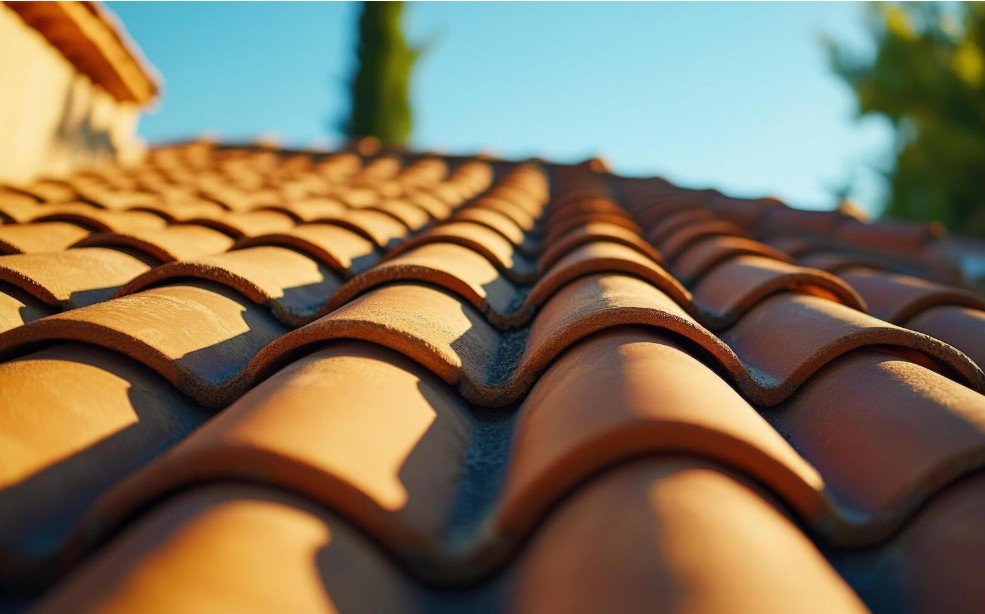
Terracotta Tiles The tiles themselves can last 50-100+ years, but the roof system components (sarking, battens, flashing) typically need attention or replacement at 30-40 years. If your terracotta tile roof is approaching or past this age, spring inspections should be particularly thorough.
Concrete Tiles Generally last 30-50 years before becoming brittle and prone to cracking. Concrete tiles often show their age through surface deterioration, color fading, and increased breakage. A 25-30 year old concrete tile roof deserves careful attention.
Metal Roofing (Colorbond/Zincalume) Modern metal roofing typically lasts 30-50 years, though coastal exposure can reduce this. Older corrugated iron may show significant deterioration sooner, especially if maintenance has been neglected. Watch for rust development, fastener deterioration, and coating breakdown.
Planning Ahead for Major Work
If your roof is approaching the end of its expected lifespan, spring assessment helps you plan. Rather than facing emergency repairs or rushed decisions, you can budget for eventual roof restoration or replacement, get multiple quotes and choose the best contractor, schedule work at a convenient time, and make informed decisions about whether to invest in repairs or plan for replacement.
This proactive approach saves money and stress compared to dealing with unexpected failures that require immediate emergency roof repairs.
7. Document Your Roof’s Condition
Here’s a step that’s often overlooked but incredibly valuable: creating a record of your roof’s condition each spring.
Why Documentation Matters
Taking photos and notes about your roof’s condition serves multiple purposes:
Tracking Changes Year-over-year photos help you see whether issues are developing, progressing, or stable. What might look fine today could show concerning deterioration when compared to last year’s photos.
Insurance Evidence If storm damage occurs, having recent photos of your roof’s condition helps substantiate insurance claims. You can clearly show what damage is new versus pre-existing.
Maintenance Records Documentation of regular inspections and maintenance creates a record that can increase your home’s value, help with warranty claims, and demonstrate responsible homeownership.
Planning Tool When consulting with roofing professionals, being able to show them photos from previous years helps them understand how issues have progressed and make better recommendations.
What to Photograph
Each spring, take clear photos of:
- Your entire roof from multiple angles at ground level
- Close-ups of any areas of concern
- Ridge capping along the entire length
- Flashing around chimneys, vents, and skylights
- Gutter and downpipe condition
- Any areas where trees overhang
- The roof cavity interior if accessible
Date-stamp these photos and store them digitally where you can easily find them. Creating a simple folder structure by year makes comparisons easy.
When to Call for Professional Help: Reading the Warning Signs
Throughout this checklist, we’ve emphasized the value of professional inspection and intervention. But how do you know when a situation requires immediate attention versus routine spring maintenance?
Red Flags Requiring Immediate Action
Some situations demand prompt emergency roof repairs:
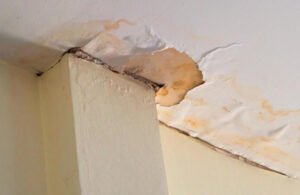
Active Leaking If you have water coming into your home during or after rain, don’t wait. Even “small” leaks indicate your roof’s waterproofing has failed, and the damage is occurring with every rain event.
Visible Structural Issues Sagging roof areas, visible damage to rafters or structural timbers, or large sections of damaged roofing all require immediate professional assessment.
Storm Damage After severe weather, if you notice missing tiles or sheets, damaged ridge capping, visible holes or major damage, or debris impact damage, have a professional inspect as soon as possible. Storm damage often creates multiple vulnerabilities that worsen quickly.
Safety Hazards Overhanging branches threatening to fall, loose materials that might blow off, or damaged areas that could allow pest entry all need prompt attention.
Situations Requiring Professional Assessment
Other issues aren’t emergencies but shouldn’t be delayed:
- Multiple areas showing minor problems
- Widespread rust or corrosion on metal roofs
- Extensive moss or biological growth
- Aging roofs showing general deterioration
- Recurring problems despite previous repairs
- Uncertainty about your roof’s condition
In these cases, schedule a professional inspection within the next few weeks. You’re not in crisis mode, but you need expert eyes to determine what action is appropriate.
Routine Spring Maintenance
For homes with relatively newer roofs and no obvious issues, routine spring maintenance might be all you need:
- Professional or DIY gutter cleaning
- Visual inspection from ground level
- Minor vegetation trimming
- Interior check for any signs of problems
Even with routine maintenance, having a professional inspection every 2-3 years is wise. Many problems develop gradually and aren’t visible to untrained eyes until they’re advanced.
The Cost of Prevention vs. The Cost of Neglect
Let’s talk frankly about money, because this is often what drives homeowners’ decisions about roof maintenance.
Spring maintenance does cost money. Professional inspection might run $200-400. Gutter cleaning costs $150-350 depending on your home’s size. Tree trimming could be $300-800. If issues are found, repairs might add $500-3,000 or more.
These numbers might seem significant. But consider the alternative:
Emergency Roof Repairs typically cost 30-50% more than scheduled repairs due to urgency premiums, difficulty accessing contractors, and often more extensive damage by the time problems are addressed. A leak that could have been fixed for $600 during routine maintenance might cost $2,000 as an emergency repair—plus interior damage costs.
Major Roof Restoration necessitated by neglect can run $8,000-15,000+ when comprehensive work is needed to address extensive deterioration, damage to underlying structures, and restoration of weather protection.
Roof Replacement becomes necessary much sooner when maintenance is neglected. At $15,000-40,000+ for a full replacement, every year you extend your roof’s life through proper maintenance represents significant savings.
Interior Damage from undetected leaks compounds these costs: ceiling repairs, wall repairs, insulation replacement, mold remediation, damaged possessions, and the disruption to your home and family.
When you frame spring maintenance as insurance—a modest investment that protects against much larger expenses—the value becomes clear. You’re not spending money unnecessarily; you’re protecting one of your largest investments.
Taking Action: Your Spring Roof Maintenance Plan
Now that you understand what your roof needs this spring, here’s how to actually make it happen:
Week 1: Assessment Schedule a professional roof inspection for late September or early October. While waiting for the inspection, do your own visual checks from ground level and inspect interior areas for any signs of problems. Document what you find with photos.
Week 2-3: Immediate Needs Once you have the inspection report, address any urgent issues immediately. This might mean emergency roof repairs for active leaks, tree trimming for hazardous branches, or gutter clearing if severely blocked.
Week 4-6: Planned Maintenance Handle routine maintenance tasks: gutter cleaning if not already done, minor vegetation management, and any repairs identified as important but not urgent.
Ongoing: Planning If the inspection revealed that your roof is aging or showing wear, use this information to plan ahead. Get quotes for roof restoration if recommended, budget for future work, and schedule follow-up inspections to monitor developing issues.
Why Local Expertise Matters for Southern Tasmania Roofs
Throughout this article, we’ve emphasized the importance of professional help for many aspects of roof maintenance. But not all roofing contractors are created equal—and in Southern Tasmania, local expertise makes a real difference.
Hobart and Southern Tasmania have specific challenges that contractors from other regions might not fully understand. Our particular combination of coastal salt air, temperature fluctuations, heavy rainfall, strong winds, and biological growth creates a unique set of conditions. Roofing approaches that work perfectly in mainland Australia might not be optimal here.
At Roofing Hobart Tasmania, we’ve spent years working specifically with Southern Tasmania’s climate and housing. We know which materials perform best in our conditions, how our weather patterns affect different roof types, what problems are most common in local homes, and the most cost-effective solutions for our specific challenges. This local knowledge translates directly into better outcomes for your roof—whether you need routine maintenance, emergency roof repairs, or comprehensive roof restoration.
Your Roof Deserves the Same Spring Renewal as Your Garden
Spring in Southern Tasmania is about renewal—about shaking off winter and preparing for brighter, warmer days ahead. While it’s natural to focus on the parts of your home you interact with daily, your roof deserves the same attention and care.
It’s been working hard all winter to keep your family safe, warm, and dry. Now it needs a little TLC to continue doing that job effectively through spring, summer, autumn, and the next winter to come.
The spring roofing checklist we’ve outlined isn’t just a list of tasks—it’s a comprehensive approach to protecting your home, preventing costly problems, and ensuring your roof remains reliable for years to come. Whether you tackle some tasks yourself and bring in professionals for others, or you hand the entire process over to experts, the important thing is taking action.
Don’t wait until a small problem becomes a major crisis requiring emergency roof repairs. Don’t let minor deterioration progress to the point where expensive roof restoration is your only option. Instead, be proactive this spring. Give your roof the inspection, maintenance, and care it needs.
Your home is one of your largest investments and the place where your family’s most important moments happen. It deserves a roof that reliably protects it through everything our Southern Tasmania weather can throw at it. This spring, make sure that’s exactly what you have.
Ready to give your roof the spring attention it deserves? Contact Roofing Hobart Tasmania today to schedule your post-winter roof inspection. We’ll thoroughly assess your roof’s condition, clearly explain what we find, provide honest recommendations about necessary maintenance or repairs, and give you the information you need to make confident decisions about protecting your home.
Because when it comes to your roof, you shouldn’t wait for problems to announce themselves. Be proactive, be informed, and be protected—starting this spring.