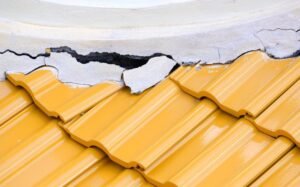
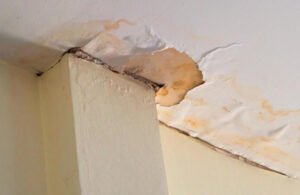
Stand on any street corner in Hobart and look around at the rooflines stretching up the hills. You’ll see a fascinating variety—heritage homes with their original slate or terracotta tiles, mid-century brick veneer with concrete tiles, and modern builds sporting sleek Colorbond profiles. Each roof tells a story, and if you look closely enough, many of them are quietly showing their age.
Maybe your own roof is one of them. Perhaps you’ve noticed the colors aren’t as vibrant as they used to be. There might be patches of green where moss has taken hold, or rust spots appearing on metal sections. The ridge capping might look a bit worse for wear. Nothing catastrophic—not yet—but enough to make you wonder: how much longer can this roof keep doing its job?
Here’s the thing about roofs in Hobart: they work incredibly hard. They face some of Australia’s most challenging weather conditions—wild westerly winds that can gust beyond 100 km/h, persistent rain that seems to come from every direction at once, salt-laden air that accelerates corrosion, and temperature swings that cause materials to expand and contract constantly. It’s a punishing environment, and even the best-installed, highest-quality roof will eventually show the strain.
But here’s the good news: there’s a point in every roof’s life—somewhere between “perfectly fine” and “needs replacing”—where professional roof restoration can work something close to magic. It can take a tired, aging roof and give it a new lease on life, adding years or even decades to its serviceable lifespan while improving its performance and appearance. The trick is recognizing when your roof has reached that sweet spot and understanding what quality restoration can actually do.
Let’s explore everything you need to know about professional roof restoration in Hobart—what it involves, why it matters in our specific climate, and how it protects both your home and your investment.
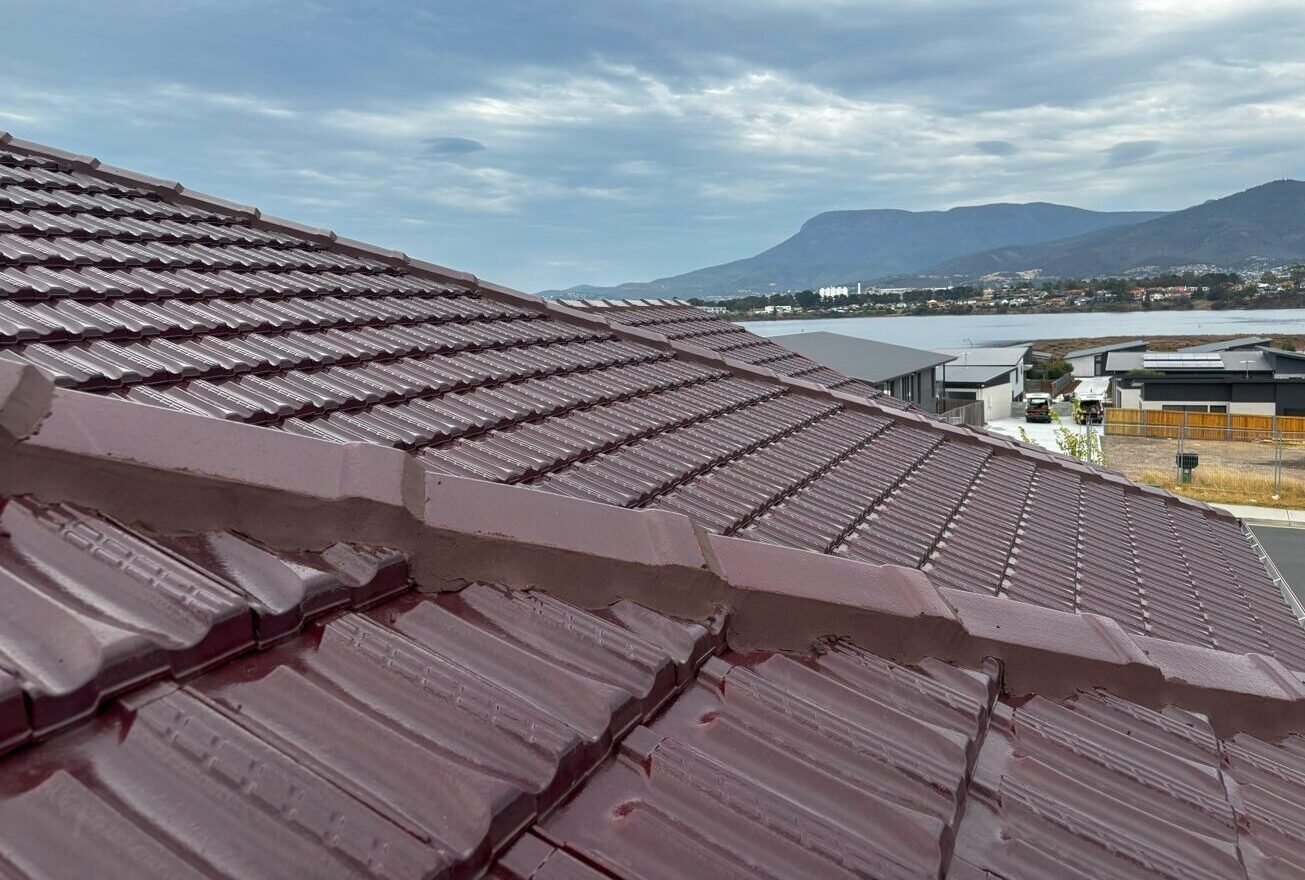
Understanding What Roof Restoration Actually Means
The term “roof restoration” gets thrown around a lot, sometimes referring to everything from a quick pressure wash to comprehensive rebuilding work. So let’s be clear about what we’re actually talking about.
Professional roof restoration is a systematic, multi-stage process that rejuvenates your entire roofing system. It’s not just cleaning or painting—though those are components—and it’s not full replacement. Instead, it’s a comprehensive approach that addresses deterioration, repairs damage, and applies protective treatments that extend your roof’s functional life significantly.
The Complete Restoration Process
A quality restoration follows a logical progression, with each stage building on the last:
Initial Assessment and Inspection Everything begins with a thorough professional inspection. Experienced roofers examine every aspect of your roof—the surface materials, ridge capping, flashing, gutters, and underlying structure. They’re looking for damage you can see and problems you can’t: early rust formation, cracked tiles, deteriorating bedding, compromised seals, and signs of water penetration.
This assessment determines what specific work your roof needs. Not all roofs require identical restoration—the approach is tailored to your roof’s material, age, condition, and specific issues.
High-Pressure Cleaning The restoration proper begins with comprehensive cleaning using specialized high-pressure equipment. This removes years of accumulated dirt, moss, lichen, algae, and organic debris. It’s far more thorough than hosing off your roof yourself—industrial equipment can remove material that’s embedded in surface textures and restore the original appearance of roofing materials.
For metal roofs in particular, proper cleaning is essential before any repair or coating work. You need a completely clean surface for treatments to adhere properly and perform as designed.
Biocide Treatment After cleaning, professional-grade biocides are applied to kill moss, lichen, and algae at the root level. This treatment continues working long after application, preventing regrowth and keeping your roof cleaner for years. In Hobart’s damp climate, this step is particularly important—without it, biological growth returns surprisingly quickly.
Repairs and Preparation With a clean surface, it’s time to address any damage or deterioration. This is where metal roof repairs in Hobart become critical for homes with metal roofing. Rusted sections are treated or replaced, loose fasteners are secured, and damaged sheets are replaced. For tile roofs, cracked or broken tiles are swapped out.
Ridge Capping Restoration The ridge capping along your roof’s peak almost always needs attention during restoration. This is one of the most exposed, weather-beaten parts of your roof, and the bedding that holds ridge tiles in place deteriorates over time. Ridge capping restoration involves removing old, failing bedding, properly preparing the surface, installing new flexible bedding compound, and securely rebedding all ridge caps.
This work is absolutely critical. Failed ridge capping is one of the most common sources of leaks in Hobart homes, and addressing it during restoration prevents serious problems down the track.
Priming and Sealing Once all repairs are complete, the entire roof surface is primed to ensure proper adhesion of the final coatings. Then multiple coats of high-quality roof sealer are applied. These modern sealers are specifically designed for Australian conditions—they’re flexible to handle thermal movement, UV-resistant to prevent breakdown, waterproof to provide additional protection, and formulated to resist mold and biological growth.
Quality Assurance and Finishing Professional restoration includes careful attention to detail around all roof penetrations, neat finishing at edges and valleys, thorough cleanup of your property, and final inspection to ensure all work meets standards.
The entire process typically takes several days to a week or more, depending on your roof’s size and complexity. Weather plays a role too—each stage requires appropriate conditions, particularly the coating application which needs dry weather for proper curing.
Why Hobart’s Climate Makes Restoration Particularly Valuable
If you lived somewhere with gentle weather and little environmental stress on roofs, restoration might be a nice-to-have rather than a strategic necessity. But Hobart isn’t that place. Our climate creates specific challenges that make professional restoration especially worthwhile.
The Coastal Corrosion Factor
Even if you don’t live right on the waterfront, salt air affects roofs throughout Hobart and Southern Tasmania. Westerly winds carry salt spray significant distances inland, where it settles on roof surfaces. This salt attracts and holds moisture, creating ideal conditions for corrosion on metal roofing.
What makes this particularly insidious is that it happens gradually. You might not notice anything for years, then suddenly realize that surface rust has spread, fasteners are corroding, and what seemed like minor deterioration has become a serious problem requiring extensive metal roof repairs in Hobart.
Professional restoration addresses this in multiple ways. The cleaning removes salt deposits, repairs treat existing corrosion before it advances, and protective coatings create a barrier that shields metal from ongoing salt exposure. For metal roofs in coastal or near-coastal areas, restoration can literally add decades to the roof’s life by interrupting the corrosion cycle.
The Moisture and Biological Growth Challenge
Hobart’s climate—cool and damp for much of the year—is perfect for moss, lichen, and algae. If you have a tile roof, particularly on south-facing slopes that receive less direct sun, you’ve probably noticed that greenish tinge developing over the years.
This isn’t just an aesthetic issue, though it certainly affects your home’s appearance. Biological growth actively damages roofing materials. Moss acts like a sponge, holding moisture against your roof’s surface and preventing it from drying properly. This constant dampness accelerates deterioration of tiles, making them porous and prone to cracking. Lichen roots can work under tiles, lifting them and creating pathways for water. Algae growth breaks down protective surface treatments.
Professional restoration with proper biocide treatment and protective coatings dramatically slows this process. You’re not just removing the growth you can see—you’re treating the roof in ways that prevent regrowth and protect the materials underneath.
Wind Damage and Ridge Capping Vulnerability
The strong winds that regularly sweep across Hobart create particular stress on ridge capping. Every time wind hits your roof, it creates uplift forces, particularly at the ridge. Over years of exposure, this constant force loosens the bedding that holds ridge tiles in place.
Failed ridge capping is one of the most common reasons homeowners need urgent metal roof repairs in Hobart or emergency leak repairs. Once the bedding fails, water pours directly into your roof cavity at the highest point—exactly where it can cause the most damage to your home’s structure.
Ridge capping restoration during the overall restoration process addresses this vulnerable area properly. Modern bedding compounds are far more flexible and weather-resistant than older mortar-based bedding, handling our wind conditions much better. This one aspect of restoration alone can prevent problems that would cost thousands to repair.
Temperature Fluctuations and Material Stress
Hobart’s weather can swing dramatically—sometimes within a single day, certainly between seasons. These temperature changes cause all roofing materials to expand and contract repeatedly. Over years, this thermal movement creates stress: tiles develop hairline cracks that eventually spread, metal roofing fasteners work loose, seals around flashing deteriorate, and coatings break down.
The flexible sealers applied during restoration accommodate this thermal movement rather than fighting against it. They move with your roofing materials, maintaining protection even as temperatures swing. This flexibility is why modern restoration coatings last so much longer than older-style roof paints that would crack and peel within a few years.
The Tangible Benefits: What Restoration Actually Delivers
Let’s move beyond theory and talk about the real, concrete benefits that professional roof restoration provides to Hobart homeowners.
1. Dramatically Extended Roof Lifespan
This is perhaps the most significant benefit, and it deserves detailed explanation because it’s where restoration delivers enormous financial value.
Consider a 20-year-old metal roof that’s starting to show rust, fading, and general wear. Without intervention, that roof might have 5-10 years of serviceable life remaining before replacement becomes necessary. The cost of full roof replacement will depend on size and materials.
Now consider that same roof with professional restoration including proper metal roof repairs in Hobart, protective coating, and ridge capping restoration. Done properly, that restoration can extend the roof’s life by 10-15 years. Suddenly, instead of replacing your roof in 5-10 years, you’re looking at 15-25 years of continued service.
The mathematics are compelling. For roughly one-third the cost of replacement, you’ve doubled your roof’s remaining lifespan. That’s exceptional return on investment—possibly the best value of any home improvement you could make.
This calculation becomes even more favorable when you consider that delaying replacement by 10-15 years means:
- You benefit from that money staying invested or in savings for longer
- Replacement costs might be tax-deductible if your home becomes a rental property
- When you eventually do need replacement, newer technologies and materials will be available
- If you sell before replacement is needed, the new owner bears that cost
2. Enhanced Energy Efficiency and Comfort
Modern roof restoration coatings do something older roof surfaces simply can’t—they actively reflect heat rather than absorbing it. This seemingly simple property has significant implications for your home’s comfort and energy costs.
Summer Benefits Traditional dark roof surfaces can reach temperatures of 70-80°C on hot days, radiating that heat into your home’s roof cavity and upper rooms. Modern reflective coatings can reduce roof surface temperatures by 20-30°C, which translates directly to:
- Cooler upstairs rooms and roof cavities
- Reduced air conditioning loads and lower power bills
- More consistent temperatures throughout your home
- Less stress on cooling equipment, extending its life
Winter Benefits The same sealers that reflect summer heat also improve winter insulation by sealing microscopic gaps and cracks, reducing air infiltration, helping retain heat generated inside your home, and improving overall thermal efficiency.
For many Hobart homes, particularly older ones without ceiling insulation or with minimal roof cavity insulation, these thermal benefits can be quite noticeable. Homeowners commonly report rooms that used to be uncomfortably hot in summer or cold in winter becoming much more livable after restoration.
The Financial Impact While individual results vary based on home design, existing insulation, and usage patterns, many homeowners see measurable reductions in heating and cooling costs—often 10-20% or more. Over the 10-15+ year life of a quality restoration, these savings can amount to thousands of dollars, effectively offsetting a significant portion of the restoration cost.
3. Dramatically Improved Appearance and Property Value
Let’s be honest: aesthetics matter. Your roof is one of the largest visible surfaces of your home, and its appearance significantly impacts your property’s overall look.
The Visual Transformation The difference between a tired, faded, moss-covered roof and a freshly restored one is dramatic. Colors become vibrant again, the uniform appearance creates visual appeal, and your entire property looks better maintained and more valuable. This matters whether you’re planning to sell or simply want to enjoy living in an attractive home.
Impact on Property Value Real estate professionals consistently identify roof condition as one of the top factors affecting property values and salability. A roof that looks new or recently restored signals to potential buyers that the home has been well-maintained, there won’t be immediate major expenses after purchase, and the property is move-in ready.
Multiple studies have shown that roof restoration typically returns 60-80% of its cost in increased property value—sometimes more in competitive markets. If you’re planning to sell within a few years, restoration can be one of the smartest pre-sale investments you make.
The Neighborhood Effect There’s also something to be said for pride of ownership and neighborhood aesthetics. When your home looks well-maintained, it contributes positively to your street’s overall appearance. This matters in established neighborhoods where properties support each other’s values.
4. Prevention of Costly Emergency Repairs
One of the most underappreciated benefits of restoration is what it prevents—specifically, the expensive emergency situations that occur when roof problems go unaddressed.
The Pattern of Deterioration Roof problems rarely stay stable—they almost always get worse over time. A small amount of rust spreads, a few cracked tiles become many cracked tiles, loose ridge capping allows water penetration that damages structure, and minor leaks become major water damage events.
Professional restoration interrupts this deterioration cycle. By addressing existing issues and protecting against further decline, you avoid the escalating problems that lead to emergency repairs.
The True Cost of Emergency Repairs When you need urgent metal roof repairs in Hobart because a storm has exposed existing vulnerabilities, or emergency ridge capping restoration because water is pouring into your roof cavity, several cost factors come into play:
- Emergency service premiums (often 30-50% higher than scheduled work)
- Limited contractor availability, forcing you to wait or accept whoever’s available
- Additional damage occurring while you wait for repairs
- Interior damage requiring ceiling repairs, mold remediation, carpet replacement, etc.
- Temporary protective measures like tarps that add to costs
- Stress and disruption to your household
A preventive repair identified during restoration can easily become a huge cost for emergency repair a year or two later when it fails at the worst possible moment. Multiply this across several potential issues, and restoration’s preventive value becomes substantial.
5. Comprehensive Weather Protection for Our Climate
We’ve talked about specific weather challenges, but it’s worth emphasizing the overall protection benefit that proper restoration provides.
Improved Waterproofing The sealers applied during restoration create an additional barrier against water penetration. While they don’t replace your roof’s primary waterproofing system, they supplement it—catching any water that might penetrate through small imperfections and preventing minor vulnerabilities from becoming actual leaks.
In Hobart’s wet climate, this extra layer of protection provides genuine peace of mind. You know that your roof isn’t just adequate—it’s properly sealed and protected against our heavy rainfall.
Wind Resistance Properly restored ridge capping with modern flexible bedding withstands wind forces much better than old, cracked mortar bedding. The secure fixings and proper sealing mean your ridge caps stay in place during storms rather than lifting, rattling, or blowing off entirely.
For metal roofs, restoration includes checking and tightening all fasteners, ensuring sheets are properly secured, and sealing any gaps that wind might exploit. This comprehensive attention to detail improves your roof’s overall wind resistance.
UV Protection Tasmania’s sun might not be as intense as Queensland’s, but UV radiation still degrades roofing materials over time. Quality restoration coatings include UV inhibitors that protect your roofing materials from sun damage, dramatically slowing deterioration and fading.
This is particularly valuable for metal roofs, where UV degradation of factory finishes accelerates corrosion. The protective coating acts as a shield, extending the life of the underlying material.
6. Addressing Multiple Issues Simultaneously
One often-overlooked benefit of comprehensive restoration is efficiency—you’re addressing numerous issues and concerns in a single, coordinated project rather than dealing with them piecemeal over years.
Consider what’s typically included:
- Cleaning and biological growth removal
- Treatment to prevent regrowth
- Metal roof repairs in Hobart for any corroded or damaged sections
- Ridge capping restoration for all ridge and hip tiles
- Flashing repairs and renewal
- Gutter attention and minor repairs
- Protective coating of the entire roof surface
- Comprehensive quality assurance
If you addressed these items separately as they became urgent, you’d have:
- Multiple contractor visits and disruptions
- Duplicated setup and access costs
- Equipment and scaffolding hired multiple times
- Ongoing worry about what needs attention next
- Higher total costs due to inefficiency
By handling everything in one comprehensive restoration project, you achieve better value, less disruption, and complete peace of mind knowing that your entire roof system has been properly addressed.
Special Considerations for Metal Roofs in Hobart
While restoration benefits all roof types, metal roofs—which are very common in Hobart—deserve special attention because they face particular challenges and benefit enormously from proper restoration.
The Metal Roof Corrosion Progression
Understanding how metal roofs deteriorate in our climate helps explain why timely restoration is so valuable.