A Complete Guide to Tile Roof Repair and Roof Restoration
There’s something special about living in Hobart. The crisp, clean air. The sweeping views across Mount Wellington. The way the light hits the Derwent Estuary on a clear morning. But if you’ve lived here for any length of time, you’ll also know about our infamous weather—the kind that can cycle through sunshine, rain, howling winds, and sometimes even hail, all before lunchtime.
While we’ve learned to dress in layers and keep an umbrella handy, there’s something else that bears the brunt of Tasmania’s unpredictable climate: your roof. Day after day, season after season, your roof stands between your family and whatever nature throws at it. And in Hobart’s unique environment, that’s quite a lot.
Understanding the common roofing problems specific to our region isn’t just about avoiding repair bills—though that’s certainly part of it. It’s about protecting your home’s structural integrity, maintaining your property value, and ensuring your family stays safe and dry no matter what the weather forecast says.
Why Hobart’s Climate Is Particularly Hard on Roofs
Before we dive into specific problems, it’s worth understanding why Hobart roofs face such unique challenges. Our maritime climate brings persistent moisture, especially during the cooler months. We experience significant temperature fluctuations—sometimes within a single day—which causes roofing materials to repeatedly expand and contract. Add in the salt-laden air from our coastal location, strong westerly winds that can gust well over 60 km/h, and occasional extreme weather events, and you’ve got a perfect storm of conditions that test even the most robust roofing systems.
This means that issues which might develop slowly in other climates can accelerate here. A small problem left unchecked can quickly become a major headache. That’s why knowing what to look for—and acting promptly—is so important for Hobart homeowners.
1. Leaks and Water Damage: The Silent Home Invader
Let’s start with the most common and potentially destructive issue: water leaks. With Hobart receiving an average of 626mm of rainfall annually—distributed fairly evenly throughout the year—your roof is constantly being tested.
How Water Gets In
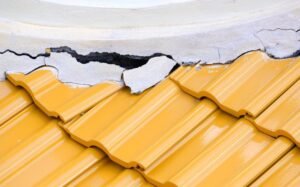
Water is persistent and ingenious at finding its way into your home. It might seep through hairline cracks in tiles that have developed from years of thermal expansion and contraction. It could enter where flashing around chimneys, vents, or skylights has deteriorated or pulled away from the surface. Lifted or displaced metal sheets, perhaps loosened by strong winds, create gaps that welcome moisture. Even properly installed roofs develop vulnerabilities over time.
The Warning Signs
The tricky thing about roof leaks is that by the time you notice them inside your home, water has often been entering for weeks or even months. Here’s what to watch for:
Ceiling stains
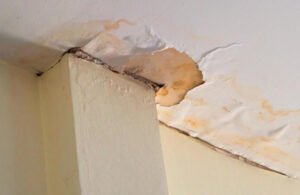
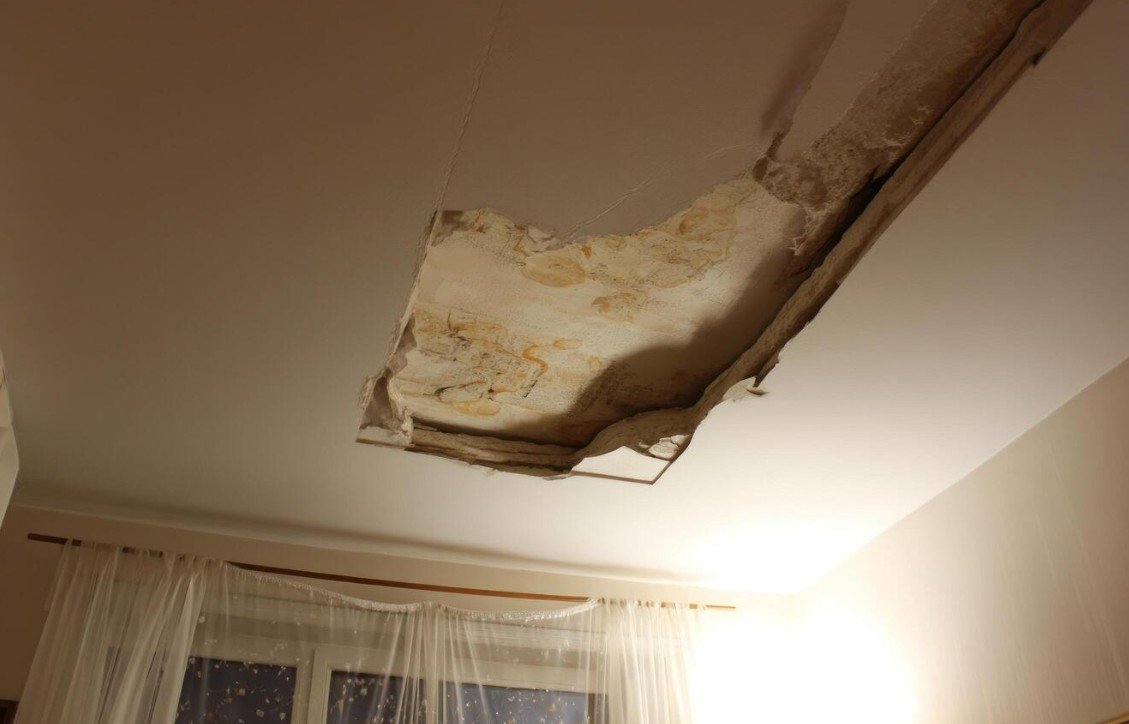
Those telltale brown or yellow patches, especially after heavy rain, are clear indicators of water penetration
Peeling paint or wallpaper
Moisture behind walls will eventually cause surface materials to bubble and peel
Damp or musty odours
If certain rooms smell musty, particularly after wet weather, moisture is likely trapped somewhere it shouldn't be
Visible water drips or pooling
This is the obvious sign, but often it appears in a different location than where water is actually entering
Mould or mildew growth
Dark spots in corners or along walls indicate ongoing moisture problems
Why Immediate Action Matters
Water damage rarely stays contained. What begins as a small leak can compromise insulation, rot timber framing, damage ceilings and walls, promote mould growth that affects indoor air quality, and even damage electrical systems in severe cases. Professional tile roof repair can identify the source of leaks—which isn’t always directly above where water appears—and address them properly before damage spreads.
Learn more about our Roof Leak Repair services in Hobart.
2. Damaged Ridge Capping: Your Roof’s Vulnerable Peak
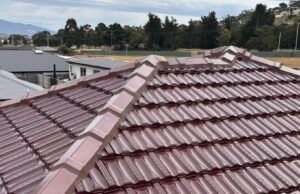
The ridge capping sits at the very top of your roof where two slopes meet. It’s one of the most exposed parts of your roofing system, taking the full force of wind, rain, and sun. In Hobart’s blustery conditions, ridge capping takes a particular beating.
What Happens to Ridge Capping
Over time, the mortar bedding that holds ridge tiles in place can crack and crumble. This is accelerated by our weather extremes—wet winters followed by dry summers cause the bedding to expand, contract, and eventually fail. Once the bedding deteriorates, ridge tiles can become loose, rock back and forth in the wind, or even blow off entirely during severe storms.
When ridge capping fails, it creates a direct pathway for water to enter your roof cavity. This isn’t just a minor leak—it’s water pouring into the very spine of your roof structure, where it can cause significant damage quickly.
Signs Your Ridge Capping Needs Attention
During your visual checks from ground level, look for:
- Ridge tiles that appear crooked or have shifted position
- Visible gaps between ridge tiles and the roof surface
- Crumbling mortar visible from below
- Moss or vegetation growing along the ridge line (indicating moisture retention)
- Ridge tiles that have slipped or fallen off
The Importance of Professional Ridge Cap Restoration
This isn’t a DIY repair for most homeowners. Professional roof restoration includes removing old, deteriorated bedding, properly preparing the surface, installing new flexible pointing compound that can handle our weather extremes, and ensuring the ridge capping is securely rebedded. When done properly, this protects your roof’s most vulnerable area and can extend your roof’s life by many years.
Explore our Ridge Cap Restoration services.
3. Rust and Corrosion on Metal Roofs: The Coastal Challenge
Metal roofing—whether Colorbond, Zincalume, or older corrugated iron—is popular in Hobart for good reason. It’s durable, fire-resistant, and handles our weather reasonably well. But “reasonably well” comes with a caveat: our coastal environment accelerates corrosion.
Why Hobart Metal Roofs Rust Faster
Salt spray carried on the wind doesn’t just affect homes right on the waterfront. It can travel several kilometers inland, depositing microscopic salt particles on roof surfaces. These particles attract and hold moisture, creating ideal conditions for corrosion to begin. Add in any scratches, chips, or areas where protective coatings have worn away, and rust can take hold surprisingly quickly.
The Progression of Metal Roof Corrosion
Rust rarely happens overnight. It typically follows a pattern:
- Surface oxidation: Light rust appears on the surface or along cut edges and fasteners
- Spreading corrosion: If untreated, rust spreads along the surface and begins eating into the metal
- Structural compromise: Advanced rust creates holes, weakens the roof structure, and allows water penetration
- System failure: In extreme cases, severely corroded sheets can fail entirely
Prevention and Treatment
Regular inspections are your best defense against metal roof corrosion. During these inspections, professionals can:
- Identify early rust formation before it becomes serious
- Clean the roof surface to remove salt buildup
- Treat surface rust before it penetrates deeply
- Apply protective coatings that extend your roof’s life
- Replace severely compromised sheets before they fail
For metal roofs showing signs of rust, timely roof restoration can involve treating affected areas, applying rust converter products, recoating the entire surface for protection, and addressing any underlying drainage issues that contribute to corrosion.
4. Moss, Lichen, and Algae Growth: The Damp Climate Menace
Take a drive through Hobart’s older suburbs and you’ll notice something: many roofs have a greenish tinge, particularly on south-facing slopes that receive less direct sunlight. This is biological growth—moss, lichen, and algae—and while it might look almost quaint, it’s actually damaging your roof.
Why Tasmania Is Perfect for Roof Growth
Our cool temperatures, high humidity, and regular rainfall create ideal conditions for moss and lichen. These organisms thrive in damp, shaded areas. Once established, they create a self-perpetuating problem: they hold moisture against your roof surface, which encourages more growth and prevents the roof from drying properly between rain events.
The Hidden Damage
What makes biological growth particularly insidious is that the damage happens slowly and largely out of sight:
Moisture retention
Moss acts like a sponge, keeping roof materials perpetually damp
Tile degradation
Constant moisture accelerates the breakdown of terracotta and concrete tiles
Glaze damage
On glazed tiles, growth can break down the protective surface layer
Lifted tiles
As moss establishes, its roots can work under tiles, lifting them and allowing water penetration
Structural concerns
Long-term moisture retention can eventually affect underlying timber and insulation
Proper Treatment Is Essential
While you might be tempted to blast moss off with a pressure washer, this can actually cause more harm than good. High pressure can crack tiles, force water under tiles, damage protective coatings, and only remove surface growth without killing the roots.
Professional tile roof repair and maintenance involves:
- Carefully removing growth without damaging roof materials
- Treating the roof with appropriate biocides to kill organisms at the root level
- Cleaning all surfaces to remove dead material and spores
- Applying protective treatments that inhibit future growth
- Inspecting for any damage caused by the biological growth
For roofs with significant moss or lichen coverage, comprehensive roof restoration may include all the above plus resealing tiles to create a less hospitable surface for regrowth and addressing any ventilation or drainage issues that contribute to dampness.
5. Loose or Broken Roof Tiles: Storm Damage and Gradual Wear
Tile roofs are prized for their longevity and appearance, but individual tiles are more fragile than many homeowners realize. In Hobart, where strong winds are common and established trees overhang many properties, damaged tiles are a frequent problem.
How Tiles Get Damaged
The causes are varied:
Wind damage
Severe gusts can lift and shift tiles, particularly if they were already slightly loose
Falling branches
Even small branches can crack tiles on impact
Thermal stress
Repeated expansion and contraction eventually cause tiles to crack
Improper foot traffic
Walking on tile roofs without proper knowledge can break tiles
Age deterioration
Old tiles become brittle and crack more easily
Manufacturing defects
Some tiles have inherent weaknesses that appear over time
Why One Broken Tile Matters
Here’s what many homeowners don’t realize: a single broken or displaced tile can cause damage far beyond its size. When a tile is compromised:
- Water flows directly onto the sarking or felt underneath
- Surrounding tiles may shift, creating additional gaps
- The roof cavity becomes exposed to weather
- Hidden damage to timber and insulation can occur
- Secondary leaks may develop in unexpected locations
The challenge is that broken tiles often aren’t visible from ground level, especially on multi-story homes. By the time you notice interior damage, significant harm may have already occurred.
Post-Storm Inspections
After any significant weather event—particularly storms with high winds or hail—it’s wise to have your roof inspected. Professional roofers can safely access your roof, identify any damaged tiles, check for displaced tiles that might not be immediately obvious, examine the overall condition of your roof system, and perform necessary tile roof repair before small problems become major issues.
Beyond Individual Problems: The Case for Comprehensive Roof Restoration
While addressing specific issues as they arise is important, there comes a point where comprehensive roof restoration becomes the more practical and cost-effective solution. If your roof is showing multiple problems, is over 15-20 years old, or has never had professional restoration work, it’s worth considering a complete restoration.
What Professional Roof Restoration Involves
A thorough roof restoration is far more comprehensive than simple repairs:
Assessment Phase
• Complete roof inspection identifying all current and potential issues
• Assessment of structural integrity
• Evaluation of remaining roof life
• Detailed report with photographic evidence
Preparation Phase
• High-pressure cleaning to remove all biological growth, dirt, and debris
• Treatment with biocides to kill remaining organisms
• Minor repairs to broken or damaged tiles
• Ridge cap rebedding if necessary
Restoration Phase
• Application of primer to properly prepared surfaces
• Multiple coats of quality sealer designed for our climate
• Protective coating that inhibits future moss and lichen growth
• Professional finishing around all fixtures and fittings
Benefits Beyond Appearance
While a restored roof certainly looks better, the benefits go much deeper:
- Extended roof life, often by 10-15 years
- Improved weather resistance and waterproofing
- Enhanced energy efficiency through reflective coatings
- Increased property value
- Peace of mind knowing your roof is properly protected
Taking Action: When to Call the Professionals
So how do you know when it’s time to move from watchful waiting to taking action? Here are some clear indicators:
Immediate Action Required:
- Active leaks or water damage inside your home
- Missing or severely damaged tiles or sheets
- Storm damage to ridge capping or flashing
- Sagging roof areas indicating structural problems
- Large areas of rust or corrosion on metal roofs
Schedule an Inspection Soon:
- Minor ceiling stains or discoloration
- Visible moss or lichen coverage
- Your roof is over 15 years old and hasn’t been inspected recently
- Loose ridge capping or tiles
- After any severe weather event
Plan for Future Maintenance:
- Your roof is approaching 10-15 years old
- You’re noticing gradual wear and aging
- You want to protect your investment proactively
- You’re planning to sell within a few years and want to maximize value
The Value of Local Expertise
When it comes to tile roof repair and roof restoration in Hobart, local knowledge matters enormously. Roofing contractors familiar with Tasmania’s specific challenges understand which materials work best in our climate, how our weather patterns affect different roof types, local building codes and requirements, and the most cost-effective solutions for common problems.
They’ve also built relationships with local suppliers, ensuring access to appropriate materials, and developed techniques specifically suited to our conditions. This local expertise can mean the difference between a repair that lasts a season and one that protects your home for years to come.
Protecting Your Most Important Investment
Your home is likely your largest financial investment, and your roof is its first line of defense against everything nature throws at it. In Hobart’s challenging climate, that’s a significant responsibility. By understanding the common roofing problems our area faces and taking a proactive approach to maintenance and repair, you can protect your home, avoid costly emergency repairs, extend your roof’s useful life, and maintain your property’s value.
The key is not waiting until small problems become large ones. Regular inspections, prompt tile roof repair when issues are identified, and thoughtful planning for eventual roof restoration will keep your home protected and your mind at ease, no matter what Hobart’s four-seasons-in-a-day weather decides to do next.
Whether you’re dealing with a specific concern or simply want professional eyes on your roof to catch problems early, investing in professional roofing services designed for our local conditions is one of the smartest decisions you can make as a Hobart homeowner. After all, when it comes to protecting your family and your home, your roof is simply too important to leave to chance.