Here’s something most Hobart homeowners don’t think about until water’s dripping through their ceiling: your roof is quietly taking a beating. Between the southerly busters rolling in off the Derwent, the salt air if you’re anywhere near the coast, and those winter storms that seem to come out of nowhere—your roof works harder than you realize.
I’ve lived in Tasmania long enough to know that “she’ll be right” doesn’t apply to roofs. Not here. Not with our weather.
What Makes Hobart Different (And Harder on Your Roof)
Tasmania isn’t Sydney. Our weather patterns are unique, and if you’ve been here through a few winters, you know exactly what I mean. We get hit with:
- Strong westerly and southerly winds that can lift tiles and stress ridge caps
- Heavy rainfall that finds every weak point in your roofing
- Salt air exposure for homes in Sandy Bay, Bellerive, and along the Eastern Shore
- Rapid temperature changes that cause expansion and contraction in metal roofing
- The occasional hailstorm that can crack tiles or dent Colorbond
Your roof wasn’t just installed—it was installed to handle this. But even the best roofing job needs regular check-ups to keep performing.

The Real Cost of Ignoring Your Roof
Let me paint you a picture. A single loose tile might seem like a small issue today. But leave it for a year, and water can seep into your sarking, leading to damaged timber, wet insulation, and even mould in your ceiling cavity. What started as a minor fix can quickly turn into a major repair job.
I’m not trying to scare you—I’m just being honest about what happens when small problems go unnoticed.
What a Proper Roof Inspection Actually Catches
A thorough inspection isn’t someone having a quick look from your driveway. A proper roof inspection in Hobart should cover:
Tile and Ridge Cap Assessment
- Cracked, slipped, or broken tiles that let water through
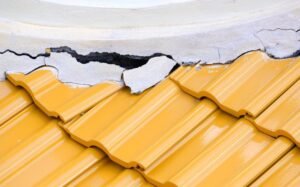
- Ridge cap mortar that’s crumbling or cracked
- Loose or displaced ridge capping
Metal Roofing Checks
- Early rust spots before they become holes
- Loose or popped screws
- Degraded seals around penetrations
- Corrosion along joins and valleys
Structural Elements
- Gutter condition and proper water flow
- Flashing around chimneys and skylights
- Valley condition (these fail more often than you’d think)
- Sarking integrity where visible
Signs of Water Damage
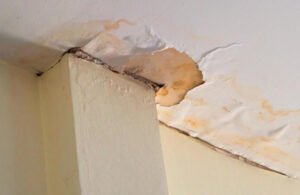
- Staining on ceilings or walls inside your home
- Moisture in ceiling spaces
- Moss or lichen growth indicating trapped moisture
When You Should Get Your Hobart Roof Inspected
Annually (at minimum) Spring is ideal—before summer’s UV intensity and ahead of storm season. Think of it like getting your car serviced before a road trip.
After severe weather events If we’ve had a proper blow (and you know when we have), get someone up there to check. Wind damage isn’t always obvious from ground level.
Before buying or selling Home inspections often miss roof issues. Get a specialist roof inspection so there are no surprises during negotiations.
If you notice anything odd Water stains on ceilings, missing tiles after wind, or unexplained damp smells? Don’t wait.
DIY Roof Checks: What You Can (and Can’t) Do Safely
Look, I get it—hiring someone costs money. But here’s what you can safely check yourself:
From the ground:
- Scan for obvious missing or broken tiles
- Look for sagging or uneven rooflines
- Check if gutters are overflowing or pulling away
- Spot any visible rust or discolouration
What you shouldn’t do:
Don’t climb onto your roof unless you have proper safety equipment and experience. Hobart roofs get slippery, especially terracotta tiles with morning dew or moss growth. One wrong step isn’t worth the risk.
What Happens During a Professional Roof Inspection
A licensed roofer will safely access your roof and systematically check every component. You should receive:
- A comprehensive written report with photos
- Clear explanations of any issues found
- Priority ranking (what needs immediate attention vs what can wait)
- Honest pricing for repairs—no pressure, no surprises
- Maintenance recommendations specific to your roof type and location
The inspection typically takes 45 minutes to an hour, depending on your roof size and complexity.
How Regular Inspections Save You Money
This might sound counterintuitive, but an annual inspection actually saves you money. Here’s how:
Prevention is cheaper than emergency repairs Fixing a small issue during business hours costs a fraction of an emergency callout at 9 PM on a Saturday when water’s pouring in.
Insurance implications Many insurance companies expect reasonable maintenance. Neglect can complicate claims.
Energy efficiency A properly maintained roof keeps your home better insulated. You’ll notice the difference in your heating bills during Hobart winters.
Property value When it comes time to sell, a well-documented maintenance history and a sound roof add real value.
Hobart-Specific Roof Concerns
Living in different parts of greater Hobart means different challenges: